

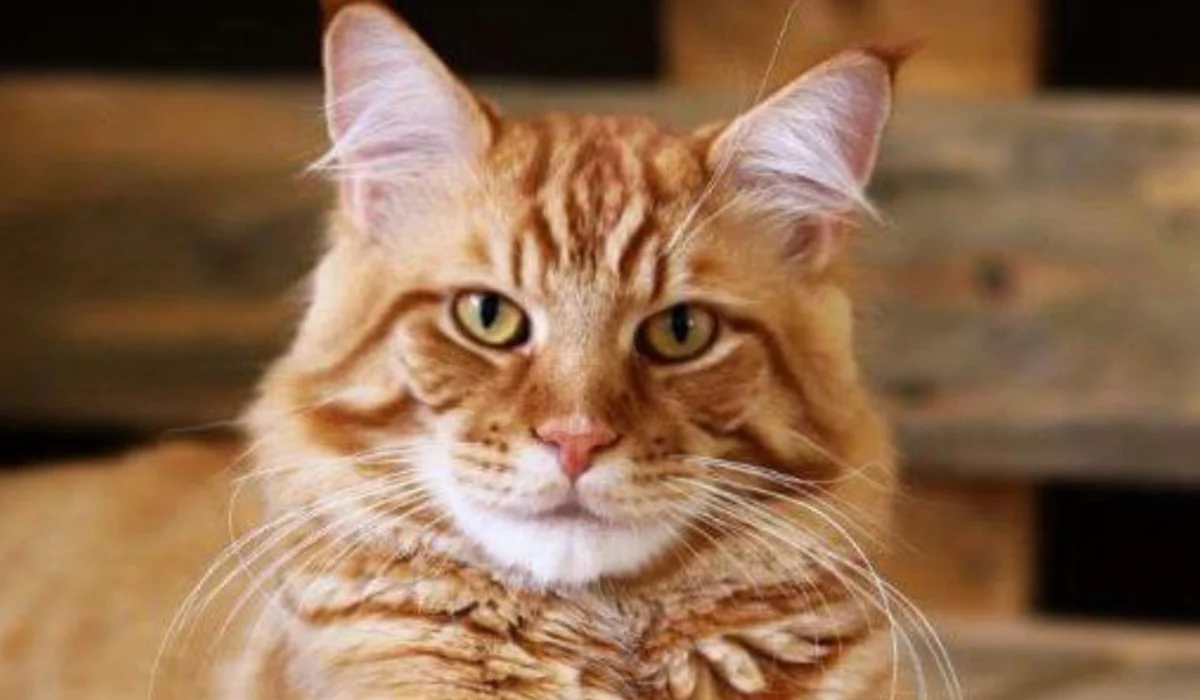
How to Find a Reputable Maine Coon Breeder in the USA
Finding a Maine Coon kitten is genuinely exciting. These are the gentle giants of the cat world big-boned, fluffy-coated, famously laid-back, and full of personality. But picking out an adorable kitten is really only half the job.
Choosing the right breeder is arguably the more important half.
Here’s something worth internalizing early: a healthy-looking kitten doesn’t automatically mean you’ve found a responsible breeder. And a slick website with gorgeous photos, or even a suspiciously low price tag, tells you almost nothing about how those kittens were actually raised.
So how do you actually find a reputable Maine Coon breeder?
The short answer is that you have to look past the surface. Ask about health practices, how kittens are socialized, the living conditions they’re raised in, what documentation is provided, and whether the breeder offers any support after you take the kitten home.
A genuinely responsible breeder should be happy to explain how they run things and honestly, they should be asking you questions too, to figure out whether their kittens are a good match for your household.
This guide walks through what to look for when evaluating Maine Coon breeders across the U.S., along with warning signs, the questions worth asking, health considerations, contract details, pricing realities, and practical steps to take before you put down a deposit.
What Actually Makes a Breeder Reputable?
A reputable Maine Coon breeder is someone who puts the health, welfare, and temperament of their cats first, not someone racing to produce as many kittens as possible for sale.
A responsible breeder should be able to walk you through their breeding practices and back up their claims with real documentation, not just reassurances.
That said, “reputable” doesn’t look identical across every cattery. Some breeders run small, home-based operations. Others manage larger breeding programs. Some specialize in particular colors or bloodlines, and many maintain waiting lists for upcoming litters.
What actually matters isn’t the size or setup, it’s the philosophy behind how they breed and care for their cats.
You’re looking for a breeder who:
- Puts the health and welfare of their cats first
- Is upfront and transparent about their breeding program
- Gives clear information about both kittens and parents
- Can explain exactly what health screening they perform
- Raises kittens in a suitable environment
- Provides age-appropriate veterinary care
- Uses a written purchase agreement
- Actually answers your questions
- Screens potential buyers instead of selling to anyone with cash
- Stays available for questions well after the kitten goes home
Responsible breeding isn’t just about producing kittens with the right look. It’s about the accumulation of thoughtful decisions that support these cats’ well-being over the long haul.
Why This Choice Actually Matters
Maine Coons make wonderful companions, but prospective owners should go in aware that the breed comes with a few health considerations worth discussing openly with breeders and vets.
One of the bigger ones is hypertrophic cardiomyopathy, or HCM, a disease that causes abnormal thickening of the heart muscle, and one Maine Coons are known to be predisposed to.
Genetics plays a role here. Researchers have actually pinpointed a specific mutation linked to HCM in the breed. But here’s the important nuance: genetic testing doesn’t rule out every possible cause of the disease.
That distinction is worth sitting with.
A breeder who’s honest and upfront about health risks is, frankly, more trustworthy than one who insists their kittens will never have health issues. Nobody can promise that.
The goal isn’t to find a breeder who guarantees perfection that breeder doesn’t exist. The goal is finding one who takes reasonable, deliberate steps to reduce avoidable risk, and who’s honest about what they do and don’t know.
The Actual Process for Finding a Good Breeder
Searching for Maine Coon breeders online takes about five minutes. Figuring out which ones actually deserve your trust takes considerably longer.
Here’s a process worth following before you commit to anyone:
1. Research the Breeder Before You Even Reach Out
Start by digging into whatever the breeder has published their website, social media, anywhere they share information.
Look specifically for details on:
- The cats in their breeding program
- Current and past litters
- How kittens are cared for
- Health practices
- Socialization approach
- Registration or pedigree info, where applicable
- Contracts
- Deposit policies
- Pickup or transport arrangements
- Currently available kittens
- How to actually reach them
Don’t let photos alone make the decision for you. A polished website is nice, but transparency matters a lot more than presentation.
Watch for vague marketing phrases like “healthy kittens” or “the best bloodlines”, these mean almost nothing on their own. If a breeder makes a specific health claim, ask what actually backs it up.
2. Ask About the Parents
A responsible breeder should be able to tell you plenty about the kitten’s mom and dad.
Worth asking:
- How old are the parents?
- Can I see photos or videos of them?
- What are their temperaments like?
- What health screening have they had?
- What’s their breeding history?
- Are pedigrees available?
- How often does the mother have litters?
The parents matter because, in a real sense, you’re not just buying a kitten, you’re buying into a specific breeding program’s decisions. Understanding the parents gives you a much better read on what the litter is likely to be like, both physically and temperamentally.
3. Ask About Health Testing
This is arguably one of the most important steps in vetting a Maine Coon breeder, and it’s worth being direct.
Instead of asking the vague version “are your cats healthy?” ask something more pointed:
“What health testing do you perform on your breeding cats, and can I actually see the results?”
A good breeder should be able to explain, without hesitation, what tests they run and why. For Maine Coons specifically, that conversation often touches on:
- Hypertrophic cardiomyopathy
- Hip health
- Infectious disease screening
- General veterinary checks
- Genetic testing, where relevant
Screening programs vary from breeder to breeder and shift with veterinary recommendations over time. A DNA test can be genuinely useful for flagging certain genetic variants, but it’s not a guarantee that a cat will stay disease-free forever. A responsible breeder should be totally comfortable discussing that nuance rather than glossing over it.
What Ethical Breeding Actually Looks Like
An ethical breeder generally makes decisions with the cats’ welfare in mind first, rather than optimizing for how many kittens they can produce and sell.
In practice, that tends to show up as:
- Limiting how often cats are bred
- Retiring breeding cats when it’s time
- Keeping clean, appropriate living environments
- Providing proper veterinary care
- Actively socializing kittens
- Carefully choosing breeding pairs
- Screening potential buyers rather than accepting anyone
- Being honest about health, good and bad
- Using real contracts
- Staying accountable for kittens even after they’re adopted
One question worth asking directly: “What happens if I can no longer care for the cat?“
Many responsible breeders have a specific policy for exactly this scenario. Terms vary, so read the contract carefully and make sure you understand the actual policy before any money changes hands.
4. Ask How the Kittens Are Actually Raised
Maine Coon kittens aren’t products coming off an assembly line; how they’re raised in those first weeks genuinely shapes how they turn out.
Early experiences influence how a kitten responds to people, noise, and new environments later in life. Worth asking:
- Where exactly are the kittens raised?
- Are they exposed to normal household sounds?
- Do they get regular interaction with people?
- Are they introduced to different environments?
- How are they handled day to day?
- Do they interact with other cats?
- What food and litter are they using?
A kitten raised in a clean, active home with plenty of human contact tends to have a very different experience than one raised in a back room with minimal interaction. Ask to see where the kittens actually live, if that’s practical and if an in-person visit isn’t realistic, a video call is a reasonable substitute.
5. Look for Real Veterinary Documentation
A reputable breeder should hand over appropriate veterinary paperwork with the kitten. Depending on the kitten’s age and the breeder’s own practices, that might include:
- Records of veterinary exams
- Vaccination history
- Deworming records
- Microchip information
- General health records
- Genetic test results, where applicable
Ask exactly what documentation you’ll receive before you commit to anything don’t assume every breeder hands over the same package. What matters most is that expectations are crystal clear before any deposit is paid.
6. Actually Read the Contract Before Paying a Deposit
A written contract protects both you and the breeder. Before you pay anything, ask for the contract and go through it carefully.
Pay attention to:
- Purchase price
- Deposit amount
- Whether the deposit is refundable
- Health guarantees
- Registration status
- Spay/neuter requirements
- Breeding rights, if any
- Return policy
- Transportation arrangements
- Any ownership requirements
- What happens if you can no longer keep the cat
If any clause is unclear, ask the breeder to explain it in plain terms. And never feel rushed into signing a good breeder who wants you to fully understand what you’re agreeing to, not just sign quickly.
7. Pay Attention to How They Communicate
Communication tells you a surprising amount about a breeder’s overall approach.
A good sign: they answer clearly, give specific (not vague) information, ask about your home and lifestyle, explain their policies without dodging, talk about health honestly, and give you time to actually think it over.
A bad sign: they dodge basic questions, push you to send money fast, refuse reasonable requests for documentation, promise unrealistic health guarantees, or seem far more interested in payment than in your suitability as an owner.
Bringing home a Maine Coon kitten is a real, years-long commitment. You should feel entirely comfortable asking as many questions as you need to.
8. Don’t Let Price Be Your Only Factor
Price matters, sure, but it shouldn’t be the deciding factor on its own. A suspiciously low price can be a red flag, but a high price doesn’t automatically prove a breeder is responsible either.
A kitten’s price reflects a mix of things: veterinary care, health screening, registration fees, food, housing, socialization time, breeding-related expenses, transportation, geographic location, bloodline, and the breeder’s own experience.
Instead of asking “who has the cheapest Maine Coon,” ask: “What exactly am I getting for this price, and how does this breeder actually care for their cats?” A responsible breeder should be able to walk you through their costs and terms without hesitation.
9. Watch Out for Scams
Maine Coons’ popularity has, unfortunately, made them a magnet for dishonest sellers online. Be cautious if you notice:
- Prices that seem too good to be true
- Photos that look stolen or reused
- Multiple unrelated breeds “always available”
- Pressure to pay immediately
- Requests for unusual or untraceable payment methods
- Refusal to do a video call
- No verifiable information anywhere
- Vague or shifting answers about the kitten’s actual location
- Testimonials that feel fake or copy-pasted
- Claims that the kitten needs to be shipped right away
A video call is a genuinely useful tool, it lets you see the kitten and get a glimpse of the environment they’re raised in. But it’s not proof of legitimacy on its own. Treat it as one piece of a bigger picture, not a final verdict.
10. Consider Bella Dolce Maine Coons
If you’re compiling a list of breeders to research across the U.S., Bella Dolce Maine Coons is worth including in that research.
As with any breeder Bella Dolce included, take the time to review their current information, ask direct questions about health and kitten care, read through the purchase agreement, and confirm their practices actually line up with what you’re looking for.
The goal isn’t to pick a breeder because the name sounds nice or the photos are cute. Apply the same scrutiny across the board: compare information, ask questions, request documentation, and understand each breeder’s policies before deciding.
That process gives you a far sturdier foundation for making the call.
What are the questions worth bringing to any breeder?
Before you put down a deposit, here’s a solid list to work from.
On health:
- What health testing do you run on your breeding cats?
- Can I actually review the documentation?
- What vaccinations will the kitten have received?
- Has the kitten had a vet exam?
- What health issues have shown up in your lines?
- What does your health guarantee actually cover?
On kitten care:
- Where are the kittens raised?
- How are they socialized day to day?
- What food are they eating?
- What litter do you use?
- When are kittens typically ready to go home?
- Will the kitten be microchipped?
On the breeding program:
- How often do your females have litters?
- How do you choose which cats to pair?
- How do you decide when a cat retires from breeding?
- How many cats are in your program overall?
- What happens to cats once they retire?
On the contract:
- Can I read the contract before I pay anything?
- What’s your return policy?
- What happens if I can’t keep the cat down the line?
- What exactly does the health guarantee cover?
- Are there any breeding restrictions attached?
A breeder who welcomes these kinds of questions rather than getting defensive is showing you something important about how they operate.
Why Are Red Flags Worth Taking Seriously?
Knowing what to avoid is just as valuable as knowing what to look for.
- Guaranteed health promises: No breeder can honestly guarantee a living animal will never develop any health condition, ever. Responsible breeders take precautions and test appropriately but biology isn’t fully predictable, and any breeder who claims otherwise is overselling.
- Refusing basic information: If a breeder won’t explain their health, care, or contract practices in plain language, that’s reason enough to look elsewhere.
- Rushing you toward payment: Urgency is a classic scam tactic. You deserve time to ask questions and actually review documentation before committing.
- Kittens always available: A cattery that seemingly always has kittens on hand is worth a closer look. It’s not automatic proof of irresponsible breeding, but it’s a pattern worth questioning.
- Avoiding health history: Every breeding program has health considerations worth discussing openly. A breeder who won’t go there should give you pause.
- Wanting money before answering anything: You should understand exactly what you’re paying for before any money changes hands.
What a Good Breeder Should Offer You?
A quality breeder isn’t only evaluating whether you’re a fit for one of their kittens, they should also be genuinely willing to help you understand what owning a Maine Coon actually involves.
That guidance often covers:
- Feeding
- Grooming
- Veterinary care
- Setting up a litter box
- Socialization tips
- Introducing the kitten to other pets
- Safe transport home
- Settling into a new environment
Maine Coons grow into genuinely large cats, so it pays to plan ahead. Before bringing a kitten home, make sure you’ve got:
- Appropriate food
- Food and water bowls
- A litter box roomy enough for a cat that’s going to keep growing
- Scratching surfaces
- A safe, quiet sleeping spot
- Grooming tools (their coat needs it)
- Toys
- A secure carrier
- A vet already lined up
A little preparation ahead of time makes the transition smoother for everyone involved — kitten included.
Doing This Research Online
For most U.S. buyers, online research is where this whole process starts. Build a shortlist first, then dig into each breeder individually.
A workable process looks something like:
- Visit the breeder’s website
- Read through their breeding and kitten information
- Review whatever health information is available
- Reach out and make contact
- Ask specific, pointed questions
- Request appropriate documentation
- Ask about the contract directly
- Set up a video call if you can
- Compare across multiple breeders
- Make your decision without feeling rushed
Don’t let availability alone drive the decision. The best breeders often have a waiting list — and honestly, that’s a decent sign, not a red flag. A breeder who plans litters thoughtfully isn’t going to have kittens ready every single week of the year.
Patience Pays Off Here
It’s worth borrowing a principle from a completely different context: good decisions tend to require patience, and this is no exception.
It’s easy to see an adorable Maine Coon kitten online and want to reserve it on the spot. But that emotional pull can make buyers skip right past important questions.
Slow down instead. Ask questions. Compare a few breeders. Actually read the documents. Talk to the breeder directly. Think honestly about whether this particular kitten — and this particular breeder — is the right fit for your home.
You’re not just picking out a pet. You’re starting a relationship that could easily last well over a decade.
Bringing It All Together
Finding a reputable Maine Coon breeder takes more effort than just searching for the cutest kitten photo or grabbing the first one available. It means looking at the whole picture: the breeding program, health practices, how kittens are raised, the veterinary paperwork, the contract terms, the parents, and how the breeder actually communicates with you.
And if something feels off along the way, don’t be afraid to walk away.
The best breeders understand that responsible breeding is a long-term commitment to the cats they bring into the world. They care where their kittens end up, and they’re willing to be honest about both the strengths and the potential health considerations in their lines — not just the highlight reel.
If you’re comparing several trusted Maine Coon breeders, lean on evidence over marketing. A polished website is nice to look at, but transparency, sound practices, real documentation, and genuine communication matter far more.
Breeders like Bella Dolce Maine Coons are worth including as you build out your research just apply the same standard of scrutiny you’d use for anyone else. Review their current information, ask your questions, and see whether their practices and policies genuinely match what you’re looking for.
Above all, remember this isn’t a race. Take your time. Ask the hard questions. Do your homework. And choose a breeder who earns your confidence not by promising perfection, but by being transparent about their cats, their practices, and their responsibilities.
That’s the real foundation for making a confident, informed choice when you’re ready to bring a Maine Coon into your home.
FAQ
How do I know if a Maine Coon breeder is reputable?
Look for transparency around health testing, kitten care, breeding practices, veterinary records, contracts, and return policies. A reputable breeder answers reasonable questions directly and backs claims with documentation, rather than relying on marketing language alone.
What health tests should a Maine Coon breeder run?
This varies by program and current veterinary guidance, but it’s worth specifically asking about genetic testing and screening for conditions common in the breed, including hypertrophic cardiomyopathy. Ask what testing they actually do and request to see the results.
How much does a Maine Coon kitten typically cost in the U.S.?
Prices vary a lot depending on the breeder, location, pedigree, registration status, health care provided, and what’s included with the kitten. Price by itself shouldn’t be your main indicator of a breeder’s reputation.
Should I visit the breeder in person before buying?
If it’s practical, an in-person visit gives you a lot of useful context about the cats and their environment. If distance makes that hard, a video call is a reasonable alternative though neither should be treated as sole proof of a breeder’s legitimacy.
What’s the single biggest red flag to watch for?
A lack of transparency, above almost anything else. Be wary of breeders who dodge health and care questions, won’t provide basic documentation, rush you toward payment, or make guarantees that sound too good to be realistic.