
Why Are Maine Coons Expensive? Costs, Care & Breeding Guide
If you’ve ever gone looking for a Maine Coon kitten in the U.S., you probably noticed something right away: these kittens tend to cost a lot more than your average domestic cat.
Which naturally raises the question: why exactly are Maine Coons so pricey?
The answer isn’t really about their size or their looks, at least not directly. Running a genuinely responsible Maine Coon breeding program takes real planning, veterinary care, health screening, pedigree management, proper nutrition, hands-on socialization, and a serious amount of time. All of that adds up long before a kitten’s ready to leave for its new home.
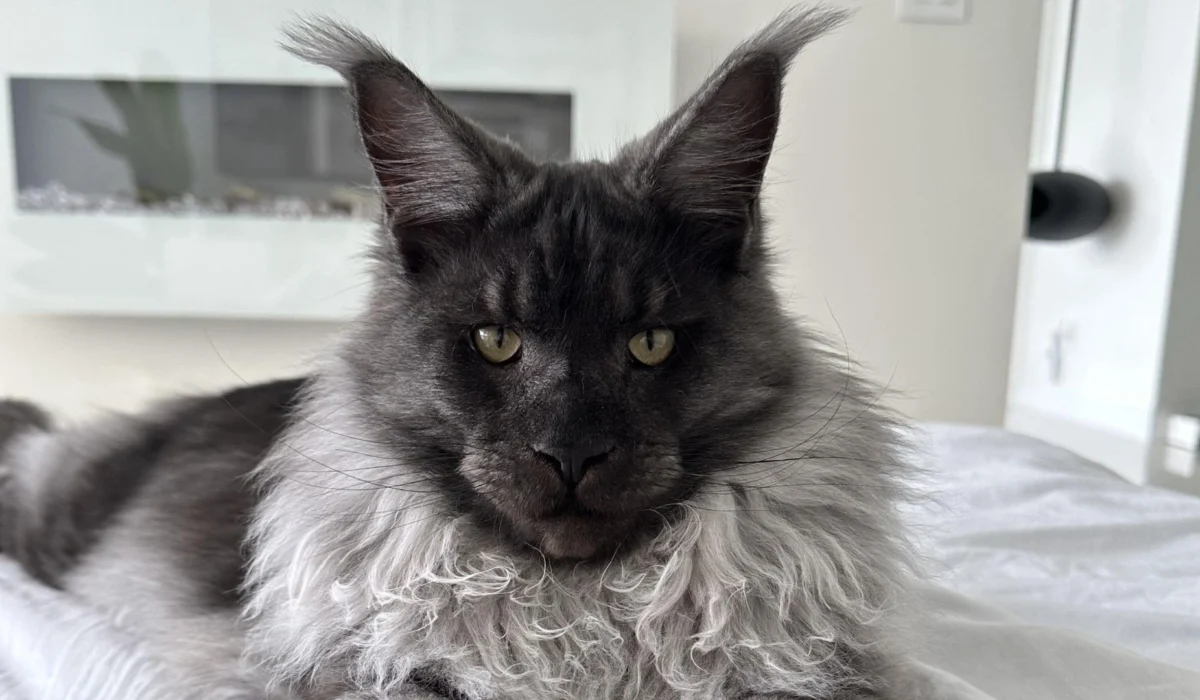
There’s also the fact that Maine Coons mature slowly. TICA notes they might not hit full maturity until around four years old. The breed’s known for its impressive size, its calm temperament, and that unmistakable coat.
So when you set the price of a well-bred Maine Coon kitten next to a typical household cat, you’re really comparing two entirely different models of breeding and care not apples to apples at all.
Let’s dig into what actually drives that price tag.
The Short Answer
Maine Coons cost what they cost because responsible breeders are pouring money into health testing, veterinary care, quality nutrition, the breeding cats themselves, registration, socialization, and the sheer time it takes to raise a litter the right way.
The purchase price you see can reflect some, or all, of these things combined.
But here’s the catch: a high price tag doesn’t automatically mean you’re dealing with a responsible breeder. It’s worth looking at what’s actually included rather than assuming expensive automatically equals better.
A more useful way to size up the price is to ask:
- What health testing has actually been done?
- Are the parents registered and pedigreed?
- What veterinary care has the kitten received?
- How are the kittens being socialized?
- What documentation comes along with the kitten?
- What does the contract actually cover?
- What support does the breeder offer after the sale?
Those answers tell you a lot more than the number on the price tag ever could.
1. Breeding Maine Coons Requires Real Health Screening
One of the biggest cost drivers behind a responsibly bred Maine Coon kitten is the investment breeders make into their breeding cats’ health.
Maine Coons carry a handful of health considerations that responsible breeders need to actively manage hypertrophic cardiomyopathy (HCM) chief among them.
TICA recommends that responsible breeders combine genetic DNA testing with periodic echocardiograms, read by a board-certified veterinary cardiologist. It also points out that DNA testing alone has real limitations, since not every mutation tied to HCM has actually been identified.
This matters because screening isn’t a one-and-done cost. A breeder might be paying for:
- Genetic testing
- Veterinary exams
- Cardiac screening
- Echocardiograms
- Imaging
- Reproductive veterinary care
- Follow-up evaluations
Research backs up why this deserves real attention. A 2008 study looking at 3,310 feline DNA samples found the Maine Coon MYBPC3 mutation in roughly 34% of the Maine Coons tested in that dataset. Later research went further and showed that a cat’s genetic status alone doesn’t perfectly predict whether it’ll actually develop HCM.
That’s exactly why responsible breeders steer clear of absolute health claims the science just doesn’t support them.
2. Genetic Testing Adds Its Own Layer of Cost
Genetic testing deserves its own mention here, since it’s a meaningful piece of why kittens cost what they do.
Responsible breeders often screen their cats for several inherited conditions relevant to the breed. TICA currently lists HCM, spinal muscular atrophy, and pyruvate kinase deficiency among the health considerations for Maine Coons, and notes that many breeders also screen for hip dysplasia and luxating patella.
Testing costs real money. But more importantly, responsible breeding means actually using those results to guide breeding decisions, a DNA test sitting in a file folder doesn’t make a program responsible on its own.
Say a breeder tests a cat for a specific genetic variant. That result then has to get weighed alongside pedigree, physical health, cardiac screening, and the overall breeding strategy. That kind of thoughtful planning takes both money and real expertise; neither comes cheap.
3. Breeding Cats Themselves Are a Serious Investment
Before a breeder ever has a litter to sell, they need breeding cats in the first place and that’s its own significant expense.
A quality breeding program often involves costs tied to:
- Acquiring the breeding cats
- Registration
- Pedigree documentation
- Veterinary exams
- Health screening
- Vaccinations
- Nutrition
- Grooming
- Housing and enrichment
- Breeding-related veterinary care
A genuinely responsible breeder also has to think about the long-term welfare of these cats, not just how many kittens they can produce. That’s really the core difference between a carefully run cattery and a high-volume operation cutting corners.
4. Kittens Need Proper Veterinary Care Before They Ever Leave
Part of a kitten’s price reflects the care it’s already received before you even meet it.
Depending on the breeder’s setup and the kitten’s age, that veterinary care can include:
- Physical exams
- Vaccinations
- Parasite prevention
- Ongoing health monitoring
- Microchipping
- Relevant testing
- Follow-up care
All of that is part of raising a litter the right way. A breeder also has to be prepared for the unexpected — if one kitten in a litter develops a health issue, that’s an additional veterinary cost that was never in the original budget.
This is exactly why comparing kitten prices without comparing what’s actually included can be genuinely misleading.
5. Raising Kittens Properly Just Takes Time
Here’s a cost factor that’s easy to overlook entirely: time. Raising kittens the right way means daily, hands-on attention. A breeder might spend real hours:
- Monitoring newborn kittens closely
- Feeding and caring for the mother
- Keeping living areas clean
- Tracking each kitten’s development
- Introducing kittens to people
- Handling kittens regularly
- Starting them on grooming
- Providing enrichment
- Arranging vet appointments
- Talking with prospective families
- Preparing contracts and records
The work doesn’t stop once the kittens are born honestly, the weeks right before a kitten goes home can be some of the busiest of the whole process.
6. Socialization Is Genuinely Part of the Job
Maine Coons have a reputation for being gentle and friendly, TICA describes the breed as sweet-tempered and sociable.
But that reputation isn’t guaranteed just because a kitten happens to be a Maine Coon. A cat’s actual personality depends heavily on its early experiences.
Responsible breeders introduce kittens to everyday household life in an age-appropriate way: different people, household sounds, gentle handling, grooming, carriers, different surfaces, normal routines.
Picture two kittens. One grows up with regular gentle handling and plenty of exposure to normal household activity. The other gets barely any human interaction until the day it’s sold. Both might technically be Maine Coons on paper but their early experiences couldn’t be more different, and that gap shows up later in temperament.
That kind of time and attention factors directly into the overall cost of raising a genuinely well-socialized kitten.
7. Feeding a Maine Coon Litter Isn’t Cheap
Maine Coons are big cats, and they grow slowly TICA notes they may not fully mature until around four years old, with adult males typically outsizing females (though individual variation is real).
Growing kittens need nutrition suited to their stage of development, and that costs breeders real money, think quality kitten food, supplements when a vet recommends them, feeding equipment, specialty diets when medically needed, and extra food for a nursing mother.
The specifics of any individual cat’s diet should always come from a conversation with a vet. But the broader point stands: feeding a litter properly is an ongoing expense breeders have to budget for the entire time.
8. Pedigree and TICA Registration Can Add to the Price
If you’re buying a pedigreed Maine Coon kitten, registration and pedigree paperwork often factor into the overall price too.
TICA maintains registration and pedigree systems for recognized breeds, Maine Coon included. For buyers, that documentation gives you real information about ancestry and registration status.
Just don’t confuse registration with a health guarantee they’re not the same thing at all. A TICA registration doesn’t automatically mean:
- The kitten is free of every possible health condition
- The parents were tested for every disease imaginable
- The kitten will have any particular personality
- The breeder is automatically reputable
TICA does offer breeder resources, but buyers still need to do their own homework. So when you’re weighing the cost of a TICA registered kitten, ask specifically what documentation and services actually come with it.
9. Grooming and Daily Care Add Up
The Maine Coon’s coat is one of the breed’s signature features but it doesn’t maintain itself.
TICA recommends regular combing and notes that coat texture genuinely varies from cat to cat, with some needing noticeably more grooming than others.
For breeders, keeping cats looking and feeling their best takes real time and the right grooming supplies. Kittens also need to get comfortable with things like:
- Brushing
- Nail trims
- Being handled around the face
- Ear checks
- General grooming routines
These small, repeated routines help set kittens up to handle life comfortably once they’re in their forever homes.
10. There Are Business Costs Buyers Never Actually See
There’s a whole layer of expense buyers rarely think about.
A breeder might be covering:
- Cattery facilities
- Heating and cooling
- Cleaning supplies
- Bedding
- Litter
- Food
- Grooming supplies
- Website upkeep
- Registration fees
- Insurance
- Professional services
- Transportation
- Advertising
- Emergency vet care
Not every breeder carries the same exact overhead. But running a responsible cattery is genuinely a business with real operating costs behind it which is another reason comparing a professionally run program to some much cheaper listing online isn’t really a fair, apples-to-apples comparison.
What’s Actually Included in the Price of a Kitten?
When people ask “why are Maine Coons so expensive,” they’re usually fixating on the sticker price alone.
A more useful question is simply: what am I actually getting for that price?
Depending on the breeder, a purchase package might include:
- Pedigree or registration documentation
- Vaccination records
- A veterinary exam
- Parasite prevention
- A health guarantee
- A written contract
- A microchip
- Kitten food
- Transition instructions
- Grooming guidance
- Ongoing breeder support after purchase
What’s included genuinely varies from breeder to breeder which is exactly why you should compare based on value and transparency, not price alone.
Does an Expensive Kitten Mean a Better Kitten?
No, not necessarily.
Price by itself isn’t proof of quality. A breeder can charge a lot without actually providing the health screening or care level you’d expect for that money.
At the same time, a suspiciously low price can be a genuine warning sign if a breeder’s cutting corners on veterinary care, socialization, or documentation.
Instead of asking “who has the cheapest Maine Coon kitten out there,” ask: “Which breeder can clearly walk me through how this kitten was bred, raised, screened, and prepared for its new home?” That’s a far more useful question to be asking.
Why Do Maine Coon Kittens Cost More Than a Rescue Cat?
This comparison comes up a lot, and it’s worth addressing directly.
Adopting from a rescue or shelter and buying a pedigreed Maine Coon kitten are genuinely different situations. A rescue typically charges an adoption fee that helps offset some of the animal’s care costs.
A breeder’s price, on the other hand, often needs to cover months or years of investment across breeding cats, health testing, veterinary care, genetic screening, nutrition, registration, housing, socialization, and the work of actually raising the litter.
Neither route is automatically “better” ; they simply serve different purposes. If your specific priority is a pedigreed Maine Coon with documented ancestry, working with a responsible breeder is really the appropriate path for that goal.
How to Tell if a Maine Coon Is Actually Worth the Price?
Before committing to a specific kitten, ask the breeder some direct questions.
- On health: What testing has been done on the parents? What HCM screening specifically? Has a vet examined the kitten? What vaccinations and parasite prevention has it had?
- On breeding: Can I learn about the parents? Is pedigree documentation available? How are breeding cats actually selected?
- On socialization: How are the kittens raised day to day? What experiences have they had so far? How are they introduced to grooming and handling?
- On the purchase itself: What does the contract actually cover? What’s included in the price? What happens if a health issue shows up later? What support is there after the kitten goes home?
A breeder who welcomes these kinds of questions gives you far more to base your decision on than one who deflects them.
Why Bella Dolce Kittens May Reflect More Than Just Looks
If you’re weighing a kitten’s price, don’t judge it purely on size, color, or how photogenic it is. Look at the whole breeding program behind it.
Bella Dolce maintains dedicated pages where prospective families can learn about our cats, kittens, and the purchasing process. You’re welcome to meet our Maine Coon cats and browse available Maine Coon kittens.
If registration specifically matters to you, you can also learn more about our TICA-registered Maine Coon kittens and cats. Before deciding, take a look at our purchase and delivery information so you understand exactly what the process looks like and what’s included.
The point was never to justify a price simply because a kitten happens to be a Maine Coon. What actually matters is evaluating the breeder’s health practices, documentation, kitten care, and overall transparency.
Are Maine Coons Actually Worth the Price?
For the right household, genuinely yes. Maine Coons bring a striking look and, generally, a warm, easygoing personality to the table. That said, their slow growth, large size, and long coat mean ownership comes with real ongoing responsibilities. TICA describes the breed as gentle and friendly; CFA points to its large size, distinctive coat, and amiable nature as defining traits.
The upfront purchase price is really just the first chapter of ownership. Down the road, you’re also looking at:
- Quality food
- Routine veterinary care
- Preventive healthcare
- Grooming supplies
- Cat trees and enrichment items
- Litter
- Emergency vet care, if it ever comes up
- Pet insurance, if that’s something you want
So before bringing a Maine Coon home, it’s worth thinking through both the sticker price and the real, ongoing cost of responsible ownership over the years ahead.
Final Thoughts
So, why are Maine Coons so expensive?
The real answer goes well beyond their size or good looks. A responsibly raised Maine Coon kitten can represent a genuinely substantial investment in health screening, veterinary care, breeding cats, nutrition, registration, socialization, grooming, and daily hands-on care — all before that kitten ever sets a paw in its new home.
But one important caveat is worth repeating: a high price alone doesn’t prove responsible breeding.
The best way to actually evaluate a kitten is to look past the price tag entirely. Ask about health testing. Review the documentation. Understand the contract in full. Learn how the kitten was actually raised. Ask about the parents. Find out what support you’ll get after the purchase is done.
When you compare breeders this way, you’re not just comparing numbers on a page you’re comparing breeding practices, kitten care, transparency, and long-term value.
And that’s a genuinely better way to decide whether a Maine Coon kitten is worth the investment for you.
FAQ
Why are Maine Coon kittens so expensive?
Because responsible breeding wraps in health testing, veterinary care, quality nutrition, the breeding cats’ own expenses, registration, socialization, and a real investment of time. Prices vary breeder to breeder, and should be judged based on what’s actually included.
How much does a Maine Coon kitten typically cost in the U.S.?
There’s no single standard price nationwide. Cost shifts based on pedigree, the breeder’s reputation, location, health screening, registration, lineage, and what comes included with the kitten. Rather than chasing a “normal” price, compare breeders on care, documentation, and overall value.
Are pricier Maine Coon kittens necessarily healthier?
Not automatically. A higher price tag doesn’t guarantee better health on its own. Ask directly for specifics on veterinary exams, genetic testing, and health screening of the parents.
Why does health testing push the price up?
Screening can involve genetic tests, veterinary exams, and cardiac evaluations, all of which cost real money. TICA recommends genetic testing paired with periodic echocardiograms for responsible Maine Coon breeding programs specifically.
Are Maine Coons expensive to maintain after purchase?
They can cost more than smaller, lower-maintenance breeds because of their size and grooming needs. Budget for food, veterinary care, grooming, litter, and routine preventive care on an ongoing basis.
Also Read: Maine Coon vs Ragdoll