

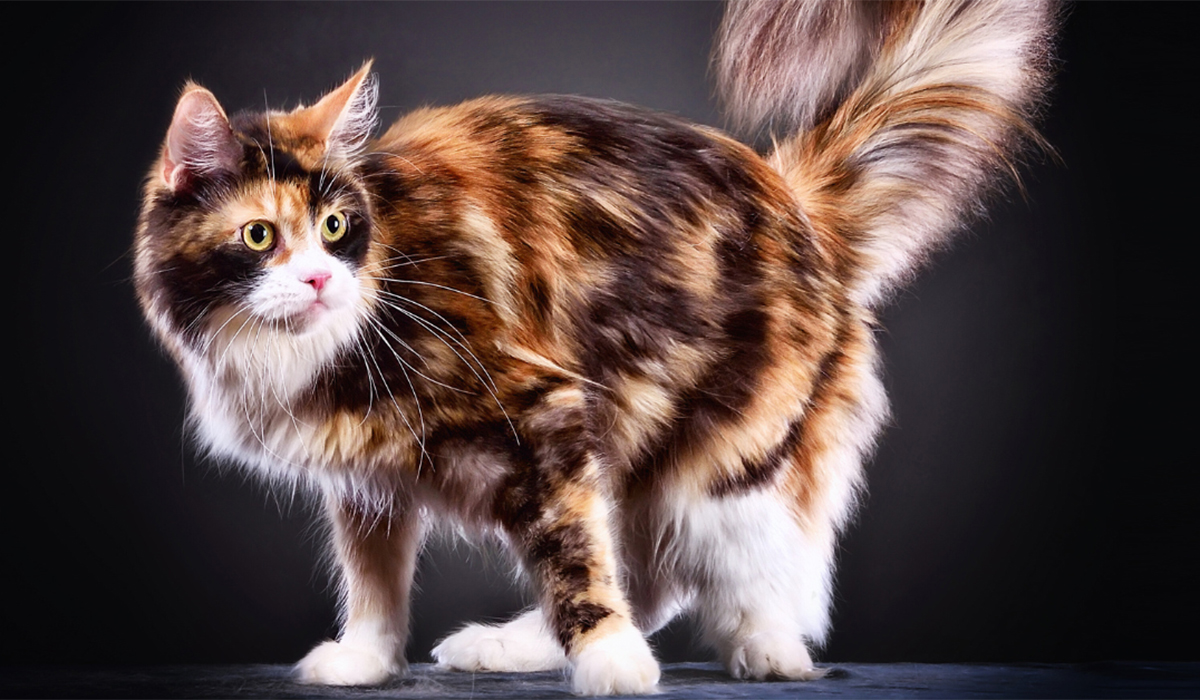
Maine Coon Breeder Red Flags: Avoid Scams & Poor Practices
Searching for a Maine Coon kitten online can pull you in fast. Gorgeous photos, glowing descriptions of friendly personalities, that whole daydream of finally bringing a kitten home it’s easy to get swept up. But here’s the reality: not every website or seller advertising Maine Coon kittens is actually a responsible breeder.
Some sellers barely mention the cats behind their so-called “program.” Others dodge questions about health testing entirely, ask for big payments before you’ve verified anything, or manufacture urgency specifically to keep you from doing more research.
That’s exactly why it’s worth knowing the common red flags ahead of time. It can genuinely protect you from a costly, heartbreaking mistake.
A responsible breeder should communicate openly, hand over reasonable health information, and clearly explain the terms of the sale. TICA specifically advises buyers to research breeders thoroughly, request health and genetic records, verify the seller’s credibility, and stay cautious with any online transaction.
This guide walks through the warning signs worth watching for when you’re breeder-hunting, and what to do if something starts to feel off.
Why Do These Red Flags Actually Matter?
Buying a Maine Coon kitten is a long-term commitment. We’ve been talking for a decade or more with this cat. The goal was never to find the cheapest kitten out there, or grab the first one that happens to be available.
What you actually want to understand is:
- Who’s raising these kittens
- How they’re being cared for
- Whether the parents are known and documented
- What health records actually exist
- What health screening is genuinely being done
- How the kittens are socialized
- What the purchase contract actually says
- What happens once the kitten’s in your home
TICA recommends buyers take real time to research both the breed and the specific breeder, verify the seller’s credibility, request health and genetic records, and fully understand the written agreement before any money changes hands.
A good breeder should never make you feel awkward for asking reasonable questions. If anything, detailed questions are completely normal when you’re buying a pedigreed kitten and expect them to welcome it.
1. They Dodge Basic Questions
One of the clearest warning signs is a seller who gets defensive the moment you ask something reasonable.
You should be able to freely ask about:
- The kitten’s parents
- Health testing
- Vaccinations
- Veterinary care
- Socialization
- Feeding
- The kitten’s actual age
- Registration or pedigree
- Contract terms
- Health guarantees
- Transportation
- What happens after purchase
You don’t need to grill anyone like a detective. But if simple questions keep getting brushed off with “don’t worry about it” or “everything’s totally fine,” that’s your cue to slow down.
TICA advises buyers to ask directly about the kitten’s care, health records, parents, contract, health guarantee, and references none of which should be off-limits.
What a better answer actually looks like: A responsible breeder should be able to explain their practices in plain terms. They might not have every single answer memorized on the spot, but they should be willing to go find it or pull up the relevant paperwork for you.
2. They Won’t Show You the Parents
Another significant red flag: a seller who refuses to show you the kitten’s parents without any reasonable explanation.
Seeing the parents tells you a lot about appearance, temperament, size, overall condition, the breeding program itself, pedigree, and health history.
TICA recommends asking to see the parents either in person or over video when an in-person visit isn’t realistic.
To be fair, this doesn’t mean every breeder owes strangers unrestricted access to their home or cats privacy and biosecurity are legitimate concerns, and a breeder saying no to a random home visit isn’t automatically shady. But there should still be some reasonable way for you to verify where the kitten actually came from.
If someone stonewalls every single form of verification, that’s genuinely worth treating as a warning sign.
3. There Are No Verifiable Health or Vet Records
A kitten can look flawless in a photo and still have a completely incomplete health history behind it. That’s exactly why documentation matters so much.
Before you buy, ask to see records covering:
- Veterinary exams
- Vaccinations
- Deworming or parasite prevention
- Health screening
- Genetic testing, where applicable
- Health info on the parents
TICA recommends requesting health and genetic records for the kitten’s sire and dam specifically, and its buyer guidance states plainly that buyers should receive health and vaccination records not just a verbal promise.
Be cautious if a breeder says something like: “The kitten’s perfectly healthy, you don’t really need paperwork.”
A genuinely responsible breeding program understands exactly why documentation matters and won’t push back on providing it.
4. HCM and Genetic Health Questions Get Sidestepped
Anyone buying a Maine Coon should understand the breed’s specific health considerations going in.
TICA identifies hypertrophic cardiomyopathy (HCM) as a significant concern for the breed, and its guidance states that responsible breeders should rely on both genetic DNA testing and periodic echocardiograms read by a board-certified veterinary cardiologist, not one or the other alone.
TICA also discusses screening for:
- HCM
- Hip dysplasia
- Luxating patella
- Spinal muscular atrophy
- Pyruvate kinase deficiency
Not every breeder is going to run the exact same testing protocol, and that’s not automatically a problem. What matters is whether they can clearly explain what they test, why they test it, and whether they can actually show you documentation.
A serious red flag: anyone who tells you “our Maine Coons never have health problems.” No responsible breeder can honestly guarantee a living animal will never develop a medical condition that promise simply isn’t real. Look instead for honesty about known risks and what’s actually being done to reduce them.
5. The Price Is Suspiciously Low
Price by itself doesn’t prove someone’s running a scam. But an unusually low price combined with other warning signs deserves a much closer look.
TICA specifically recommends learning the general price range for the breed so you can spot offers that are unusually high or low; either extreme can be a scam indicator. It also warns buyers about suspiciously cheap listings paired with additional shipping fees tacked on afterward.
Be especially wary of ads like: “Purebred Maine Coon kitten $300 today only!” followed by a string of unexpected add-on charges for things like:
- Shipping
- Insurance
- Special transportation
- Crate fees
- Airport handling
- Vaccination certificates
- “Refundable” deposits
- Emergency transportation
A rock-bottom listed price followed by a cascade of extra fees is a textbook reason to stop and verify everything before you send a single dollar.
6. They Push Extreme Urgency
Pressure is another major warning sign worth taking seriously. You might hear things like:
- “Someone else is paying right now.”
- “You need to send the deposit within 10 minutes.”
- “This price is only good today.”
- “There are five other people waiting.”
- “Pay now or you lose the kitten.”
To be fair, a breeder can genuinely have limited availability that happens with responsible breeders too. But real demand shouldn’t stop you from asking reasonable questions before committing.
TICA specifically recommends avoiding impulsive decisions and warns that scammers often manufacture urgency specifically to get your money fast, before you have time to think it through.
If you feel rushed, pause. A kitten purchase is far too important to make under pressure full stop.
7. They Only Want to Communicate by Email or Text
Communicating online while you research is completely normal. But TICA specifically flags sellers who only communicate through email or text and consistently avoid phone calls or in-person contact as worth extra caution.
Worth asking:
- Can we talk on the phone?
- Can we do a video call?
- Can I see the kittens live?
- Can I see the parents?
- Can I verify your identity somehow?
- Can you confirm your actual location?
A video call can’t verify absolutely everything, but it adds a real layer of confirmation. If a seller keeps refusing reasonable communication over and over, that’s worth digging into further before you go any further.
8. The Website Looks Polished but Nothing Checks Out
A slick, professional-looking website doesn’t automatically mean you’re dealing with a legitimate breeder.
Scammers can build attractive websites too complete with beautiful kitten photos, fabricated testimonials, and copied information lifted from elsewhere entirely.
Look past the visual polish and check whether you can actually verify:
- The breeder’s real identity
- A physical location
- A working phone number
- A consistent online presence across platforms
- Registration info, where applicable
- Real health documentation
- Genuine past buyer experiences
- Clear, specific contract terms
TICA warns that some pet-sales scam operations deliberately hide physical addresses or legitimate contact info while still demanding substantial upfront payments.
The lesson here is simple: a professional-looking website is not proof of a professional breeding program.
9. Suspicious Payment Requests
This is one of the biggest scam red flags out there, full stop. Be extremely cautious if a seller insists on payment methods that offer little to no buyer protection and are hard to reverse once sent.
TICA specifically warns buyers not to pay by wire transfer or gift card, and to generally be cautious with any non-secure payment method.
Never send more money just because a seller claims: “The kitten can’t ship until you cover this surprise fee.” Stop the transaction entirely and verify what’s actually going on before sending anything further.
Keep copies of everything: payment records, emails, messages, contracts, invoices, ads, and health documents. That paper trail can matter enormously if something goes wrong down the line.
10. There’s No Written Contract at All
A written contract genuinely protects both sides of the transaction, the breeder and the buyer. TICA states plainly that buyers should have a written sales agreement covering relevant terms, including a health guarantee.
Before handing over the final payment, make sure you understand:
- Purchase price
- Deposit terms
- Health guarantee
- Veterinary requirements
- Spay/neuter requirements
- Registration terms
- Breeding rights, if any
- Return policy
- Rehoming requirements
- What each side is actually responsible for
Never sign a contract you don’t fully understand, ask your questions first, every time.
11. Poor Breeding Practices Get Glossed Over
Not every problem you’ll run into is an outright scam. Sometimes the bigger concern is just genuinely poor breeding practice.
A seller might have real, legitimate kittens and still offer almost nothing on how the breeding program is actually run. Ask how the breeder approaches:
- Health screening
- Genetic testing
- How they select breeding cats
- Socialization
- Veterinary care
- Kitten nutrition
- Living conditions
- How often cats are bred
- Retirement of breeding cats
TICA’s own Maine Coon breed information emphasizes health screening for breeding cats specifically including HCM evaluation and other relevant testing.
Responsible breeding is about a lot more than producing kittens for sale. It’s a series of thoughtful decisions about the actual health and welfare of the cats involved in the whole process.
12. The Kittens Don’t Seem Properly Socialized
A breeder should be able to explain, clearly, how their kittens are raised and socialized before going home. Worth asking:
- Are the kittens handled regularly?
- Are they used to normal household sounds?
- Do they interact with people beyond just the breeder?
- Have they been introduced to grooming?
- Are they comfortable being held?
- How are they being prepared for the move to a new home?
TICA notes that a responsible breeder puts real thought and effort into raising healthy, outgoing kittens and should be able to discuss their methods without hesitation.
A kitten doesn’t need to be a social butterfly the second you meet it — plenty of kittens are naturally more cautious, and that’s completely normal. The concern is when a breeder has no discernible socialization process at all, or actively avoids explaining how their kittens are raised.
13. The Kitten Is Offered Way Too Young
Be cautious if a seller wants to send a kitten home unusually early without a solid explanation for why.
TICA’s buyer guidance points to roughly 12 to 16 weeks as the common range for kittens going to new homes, based on the breeder’s and vet’s joint assessment. It also notes kittens should be weaned, litter trained, and appropriately vaccinated before that transition happens.
The exact timing can shift a bit case by case; that’s not the issue. The real question is whether the breeder can actually explain why this particular kitten is ready to leave.
If someone tells you, “Take it today, it’s only six weeks old, but it’s eating on its own,” don’t just accept that at face value. Ask more questions before agreeing to anything.
How to Verify a Breeder Before You Pay?
Before sending any money, work through a simple verification process.
- Step 1: Research the breeder:Search their name, cattery name, and website. Look for information that’s actually consistent across sources.
- Step 2: Verify the cats themselves: If an in-person visit isn’t possible, ask for a live video interaction with the kitten and, ideally, the parents.
- Step 3: Request the records: Ask for relevant health, vaccination, and parent health documentation.
- Step 4: Read the contract carefully: Go through the entire purchase agreement before you pay anything.
- Step 5: Verify any registration claims independently: If a breeder claims TICA membership or registration, confirm that yourself rather than just taking their word for it. TICA maintains breeder listings and notes that listed breeders have signed its Code of Ethics, but TICA is also clear that being listed doesn’t mean TICA is endorsing that breeder’s business or breeding practices. Buyers still need to do their own homework here.
- Step 6: Don’t rush the payment: If something feels off, stop. You can always pick your research back up later there’s no rule saying you have to decide today.
What to Do If Several Red Flags Show Up?
One warning sign on its own doesn’t automatically mean a breeder is dishonest. A breeder might decline home visits purely for health or biosecurity reasons, and that alone isn’t damning.
But several red flags stacking up together is a different story entirely. Be especially wary of combinations like:
- No verifiable identity
- No physical location given
- No health records
- No information on the parents
- No written contract
- Pressure to pay fast
- A suspiciously low price
- Requests for gift cards or wire transfers
- Refusal to talk by phone
- A steady stream of extra shipping fees
At that point, walking away is almost always the safer move trying to talk yourself into it rarely ends well.
Where Bella Dolce Fits Into Your Research?
If you’re researching Maine Coon breeders here in Washington State, don’t make the call based on photos alone.
Take the time to actually understand the cats, the kittens, the breeding program, and the purchasing process itself.
You’re welcome to browse the kittens currently available at Bella Dolce Maine Coons, and to meet the adult Maine Coon cats behind the program to learn more about where these kittens actually come from. If you’re interested in current or upcoming litters, you can view our current Maine Coon litters as well.
For families researching registration and pedigree specifics, there’s also information available on TICA-registered Maine Coon kittens and cats. And before committing to a purchase, it’s worth reviewing our purchase and delivery information so the whole process is clear upfront.
The real point here isn’t to pick a breeder just because a website looks nice. Research first. Ask questions. Verify what you’re told. Then decide.
Quick Red Flag Checklist
Before sending a deposit, ask yourself honestly:
Identity
- Can I actually verify who this breeder is?
- Is there legitimate contact information available?
- Can I speak with someone directly, not just by text?
Health
- Can I review actual veterinary records?
- Do I know anything about the parents’ health?
- Can the breeder explain their genetic testing clearly?
- Are health guarantees spelled out clearly?
The kitten
- How old is it, really?
- How has it been socialized so far?
- What veterinary care has it already received?
- Can I see the kitten live, not just in photos?
Contract
- Is there a written agreement at all?
- Have I actually read the whole thing?
- Do I understand the health guarantee?
- Do I understand the return policy?
Payment
- Is the payment method reasonably secure?
- Am I being pushed to pay immediately?
- Are unexpected fees suddenly appearing?
Breeder practices
- Does the breeder answer questions openly and directly?
- Can they explain their breeding and health practices in detail?
- Are they transparent about their cats and kittens overall?
If several of your answers are worrying you, stop and dig deeper before paying anything.
Final Thoughts
Knowing the common Maine Coon breeder red flags can genuinely help you avoid both outright scams and, just as importantly, poorly run breeding operations.
Don’t judge a breeder purely by a beautiful website or adorable kitten photos. Look for actual transparency instead.
Ask about the parents. Request real health and veterinary records. Understand exactly how the breeder approaches health screening and socialization. Read the contract, all of it. Verify any registration claims independently. Make sure you fully understand the payment and transportation arrangements before agreeing to anything.
Above all, don’t let anyone pressure you into sending money before you’re genuinely comfortable with the information in front of you.
A Maine Coon kitten is a long-term commitment taking one extra day to properly research a breeder beats rushing into a transaction you end up regretting for years.
If you’re still working through your options, start by browsing Bella Dolce’s available Maine Coon kittens and learning about the cats and litters we have. If you’ve got questions about the process, feel free to reach out to Bella Dolce Maine Coons before making any final decision.
The safest approach really comes down to this: verify first, ask questions, and never let urgency stand in for due diligence.
FAQ
What’s the single biggest red flag when buying a Maine Coon kitten?
A combination of things: pressure to pay quickly, no verifiable information about the seller, missing health records, and a refusal to communicate directly. TICA specifically warns about sellers who manufacture urgency, avoid phone contact, and push risky payment methods.
How do I know if a Maine Coon breeder is actually legitimate?
Research them independently, verify their identity and contact info, ask to see both the kitten and its parents, review health records, understand the full contract, and never let yourself get rushed into paying. This is exactly the kind of due diligence TICA recommends before any purchase.
Does TICA registration automatically mean a breeder is trustworthy?
No. TICA states directly that its breeder listings shouldn’t be read as an endorsement of any breeder’s business or breeding practices. Buyers still need to do their own independent research.
What health records should a Maine Coon breeder actually provide?
Ask for appropriate veterinary and vaccination records, plus health and genetic testing information for the kitten’s parents. TICA specifically recommends requesting these records for both the sire and dam.
Should I walk away if a breeder is pressuring me to pay fast?
Yes, without much hesitation. Pressure is a serious warning sign on its own. TICA advises against impulsive decisions and specifically warns that scammers often create urgency to get money quickly, before a buyer has time to think things through.
Also Read: Maine Coon vs Ragdoll