

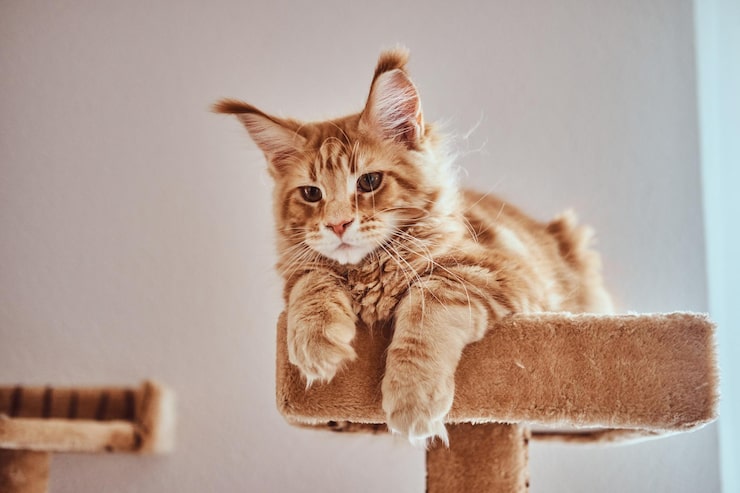
Buying a Maine Coon Kitten in Washington : Buyer Guide 2026
Buying a Maine Coon kitten is an exciting decision. These cats are known for their large size, gentle personalities and strong bonds with their families. But choosing the right kitten involves more than finding a beautiful coat color or seeing an appealing photo online.
If you are buying a Maine Coon kitten, you should know what questions to ask the breeder, which health records to review, what should be included in a contract and how the kitten has been socialized. You should also prepare your home before the kitten arrives and understand what happens after the purchase.
For families in Washington State, taking these steps can make the process more organized and help you choose a kitten from a responsible breeding program.
This guide walks you through the most important things to consider before bringing your Maine Coon kitten home.
Buying a Maine Coon Kitten: Start With the Breeder
The breeder you choose can have a major influence on your experience as a new Maine Coon owner.
A responsible breeder should be willing to answer questions rather than pressure you into making a quick decision. TICA’s buyer guidance recommends researching the breed, checking a breeder’s credibility, requesting health and genetic information and understanding the purchase contract before committing.
Don’t be afraid to ask detailed questions. In fact, a good breeder will usually expect you to have them.
Questions to Ask a Maine Coon Breeder
Before placing a deposit or signing an agreement, consider asking:
- How are your Maine Coon kittens raised?
- Can I see the kitten’s parents?
- What health testing has been performed on the parents?
- Can I review the kitten’s veterinary and vaccination records?
- What vaccinations and deworming has the kitten received?
- How have the kittens been socialized?
- What food is the kitten currently eating?
- What litter is the kitten accustomed to using?
- At what age can the kitten go to its new home?
- Do you provide a written contract and health guarantee?
- What happens if the kitten develops a health problem after purchase?
- Do you provide support after the kitten goes home?
- What is your policy if an owner can no longer care for the cat?
- Can I speak with previous kitten families if references are available?
These questions are not about finding a “perfect” breeder. They help you understand how the kittens are raised and whether the breeder communicates openly.
TICA specifically recommends asking about breed characteristics, written sales agreements, health guarantees, diseases covered by the guarantee, how kittens are raised and references from previous buyers.
Check Health Records Before Buying a Maine Coon Kitten
Health records should be one of the first things you review. A healthy-looking kitten is encouraging, but appearance alone cannot tell you everything about its health history.
Ask to see documentation for:
- Veterinary examinations
- Vaccinations
- Deworming
- Parasite prevention
- Any illnesses or treatments
- Microchipping if applicable
- Pedigree or registration documents where applicable
- Relevant health testing information from the parents
TICA’s current buyer guidance recommends requesting health and genetic records for the kitten’s parents and reviewing vaccination and veterinary records before purchase.
What About Maine Coon Genetic Health?
Maine Coons can have breed-specific health considerations. Responsible breeding programs should take appropriate steps to understand and manage inherited risks.
TICA’s Maine Coon breed information specifically discusses hypertrophic cardiomyopathy (HCM) and notes that responsible breeders may use both genetic testing and periodic echocardiographic evaluation by a veterinary cardiologist. It also discusses screening considerations such as hip dysplasia, luxating patella, spinal muscular atrophy and pyruvate kinase deficiency.
This does not mean a health test can guarantee that a kitten will never develop a medical condition. Instead, testing is one part of responsible breeding.
If a breeder tells you that a kitten is “100% guaranteed never to have health problems,” treat that claim carefully. A responsible breeder should be transparent about what has been tested and what a health guarantee actually covers.
Read the Maine Coon Kitten Contract Carefully
A written contract is not something you should skim at the last minute. Before paying a deposit or final balance, read the agreement carefully. A kitten contract may explain:
- Purchase price
- Deposit terms
- Health guarantee
- Vaccination requirements
- Spay/neuter requirements
- Registration conditions
- Breeding rights if applicable
- Buy-back or return policies
- Responsibilities of the buyer
- Responsibilities of the breeder
- What happens if a serious health problem develops
- Rehoming requirements
TICA advises buyers to understand the sales agreement and health guarantee before purchasing a pedigree kitten.
A professional contract protects both sides. It also gives you a clear understanding of what you are agreeing to.
Don’t Sign a Contract You Don’t Understand
- If a clause is unclear, ask the breeder to explain it.
- Pay particular attention to the health guarantee.
For example, don’t simply ask:
“Is there a health guarantee?”
Ask:
“What conditions are covered, for how long and what documentation is required if a health concern occurs?”
How Important Is Socialization When Buying a Maine Coon Kitten?
Socialization is one of the most important parts of early kitten development. A kitten’s experiences during its early weeks can influence how it responds to people, handling, household sounds and new situations.
TICA’s recent guidance on kitten socialization explains that early experiences can include gentle handling, grooming, exposure to household sounds, carriers and other everyday experiences. It also recommends that kittens remain with their mother and siblings where possible until around 12–13 weeks while continuing daily human interaction.
When visiting or speaking with a breeder, ask how kittens are socialized. For example:
- Are they handled regularly?
- Are they comfortable around people?
- Are they exposed to normal household sounds?
- Have they experienced grooming?
- Are they familiar with carriers?
- Have they been around other cats?
- Are they exposed to different people?
- How do they respond to new situations?
A well-socialized kitten does not necessarily need to be extremely outgoing. Some kittens are naturally more cautious.
What matters is whether the breeder is intentionally helping kittens develop confidence and appropriate social behavior.
What Age Should a Maine Coon Kitten Go Home?
One of the most common questions from prospective owners is:
“How old should a Maine Coon kitten be before I bring it home?”
There isn’t one universal number that applies to every situation. The breeder and veterinarian should consider the kitten’s development and readiness.
TICA’s buyer guidance says knowledgeable breeders commonly allow kittens to go to their new homes at 12 weeks or older, with some transitions occurring between 12 and 16 weeks depending on the breeder and veterinarian’s assessment.
This period gives kittens additional time to develop important skills. They can continue learning from their mother and littermates while becoming comfortable with people, food, grooming, litter habits and normal household experiences.
Don’t Choose a Younger Kitten Simply Because It Is Available
If someone is pressuring you to take a very young kitten immediately, ask why. A responsible breeder should be able to explain the kitten’s development and why the proposed go-home date is appropriate.
Age should be considered alongside:
- Health
- Weaning
- Vaccination status
- Litter training
- Socialization
- Veterinary assessment
- Overall development
Preparing Your Home Before Your Maine Coon Kitten Arrives
Preparing your home before the kitten arrives can make the transition much easier. Don’t wait until the day of pickup.
Create a Comfortable Starter Area
Give your kitten a quiet area where it can settle in. You may need:
- Litter box
- Food and water bowls
- Comfortable bed
- Scratching post
- Age-appropriate toys
- Safe hiding area
- Cat carrier
- Grooming tools
Maine Coons also grow into large cats, so think ahead when choosing equipment. A small kitten carrier may not remain suitable for long. Choose products and furniture that can accommodate your cat as it grows.
Kitten-Proof Your Home
Before bringing your kitten home, check for potential hazards. Secure or remove:
- Loose electrical cords
- Small objects that can be swallowed
- Toxic plants
- Unsecured windows
- Accessible chemicals
- Open appliances
- Unsafe gaps behind furniture
If you have children, explain how to interact with the kitten before it arrives. Children should learn not to chase, pull, squeeze or disturb a kitten while it is eating or sleeping.
What Food Should You Give Your New Maine Coon Kitten?
One of the easiest ways to make the first few days harder is to immediately change everything.
Ask the breeder:
“What food is the kitten eating right now?”
If possible, keep the kitten’s diet consistent during the initial transition.
A sudden change in food can contribute to digestive upset. If you want to change the diet later, discuss an appropriate transition with your veterinarian.
Also ask about:
- Feeding schedule
- Portion sizes
- Treats
- Water intake
- Any known food sensitivities
Your veterinarian can provide recommendations based on your kitten’s age, growth and individual needs.
Transportation: Bringing Your Maine Coon Kitten Home
Transportation is another part of buying a Maine Coon kitten that is easy to overlook. If you are picking up your kitten locally, plan the trip before the pickup day. Use a secure carrier rather than carrying the kitten loose in the vehicle.
For longer-distance transportation, ask the breeder:
- How will the kitten travel?
- How long will the journey take?
- Who will accompany the kitten?
- What food and water arrangements are provided?
- What happens during delays?
- What documentation will travel with the kitten?
- What happens if the kitten becomes unwell during transportation?
Never send money to an unfamiliar person simply because they claim additional shipping or transportation fees are required.
TICA’s pet buyer guidance specifically warns buyers to be cautious with online transactions and suspicious shipping or payment arrangements.
If you’re considering a kitten from Bella Dolce Maine Coons, you can review the purchase and delivery information before making arrangements.
What to Expect After Buying a Maine Coon Kitten?
- The purchase is not the end of the process.
- It is the beginning of your relationship with your kitten.
- The first few days may be surprisingly quiet.
- Your kitten has just left its mother, littermates, familiar environment and routine.
- Give it time.
TICA notes that moving to a new home can be stressful for a kitten and recommends following the breeder’s care instructions during the transition. Changes in food, water, litter and environment can contribute to minor problems even in healthy cats.
During the First Few Days
Focus on:
- Keeping the environment calm
Avoid overwhelming the kitten with visitors.
- Maintaining familiar routines
Use the food and litter the kitten already knows when practical.
- Giving the kitten space
Let it explore at its own pace.
- Scheduling veterinary care
Ask your veterinarian when the kitten should be examined and what vaccinations or preventive care are due.
- Continuing socialization
Gentle interaction should continue as your kitten becomes comfortable.
Schedule a Veterinary Visit
Even when a breeder provides health records and a health guarantee, establishing a relationship with your own veterinarian is important.
Bring all available paperwork with you. Your veterinarian can review:
- Vaccination history
- Parasite prevention
- General health
- Weight and growth
- Diet
- Dental care
- Future preventive care
TICA recommends that new owners have their kitten examined by their own veterinarian shortly after purchase.
Follow the timeframe specified in your breeder’s contract because the health guarantee may have specific requirements.
Buying a Maine Coon Kitten From Bella Dolce
If you’re considering buying a Maine Coon kitten in Washington State, take your time.
At Bella Dolce Maine Coons, prospective families can learn more about the cats and kittens before making a decision. You can view available Maine Coon kittens and explore the breeding program before taking the next step.
You can also learn more about Bella Dolce’s Maine Coon cats and current Maine Coon litters.
If TICA registration is important to you, you can also review the information about TICA-registered Maine Coon kittens and cats.
The goal should not be to rush a family into a purchase. The goal is to help you understand the kitten, the breeder and the responsibilities that come with bringing a Maine Coon into your home.
Buying a Maine Coon Kitten: Final Checklist
Before you bring your kitten home, make sure you have answers to these questions:
Breeder
- Have I spoken with the breeder directly?
- Do I understand how kittens are raised?
- Have I asked about the kitten’s parents?
Health
- Have I reviewed veterinary records?
- Do I understand the vaccination history?
- Have I asked about relevant health testing?
- Do I understand the health guarantee?
Contract
- Have I read the entire agreement?
- Do I understand the return policy?
- Do I understand spay/neuter requirements?
- Do I know what happens if a health issue develops?
Socialization
- How has the kitten been handled?
- Has it experienced normal household sounds?
- Is it comfortable with people?
- Has it experienced grooming and carrier handling?
Home preparation
- Do I have a safe starter area?
- Do I have an appropriately sized carrier?
- Do I have food and litter?
- Is the home kitten-proofed?
Transportation
- Is the travel plan safe?
- Do I have all the necessary documents?
- Do I know what to expect during the journey?
After purchase
- Do I know when to see my veterinarian?
- Do I know what food the kitten currently eats?
- Do I have the breeder’s contact information?
- Do I understand the breeder’s post-purchase support?
Final Thoughts
Buying a Maine Coon kitten should be a thoughtful process rather than an impulse decision.
Take time to research the breeder. Ask detailed questions. Review health records. Read the contract carefully. Find out how the kitten has been socialized and make sure it is ready to leave its mother and littermates.
Then prepare your home before pickup day. Once your kitten arrives, keep the first few days calm and predictable. Follow the breeder’s instructions and establish care with your veterinarian.
If you’re searching for a Maine Coon kitten in Washington State, start by exploring available kittens at Bella Dolce Maine Coons. You can also contact Bella Dolce if you have questions about the kittens, the purchasing process or bringing a Maine Coon into your family.
The best kitten purchase is not simply the one that results in a beautiful cat. It is the one where you understand what you’re buying, who you’re buying from and how you’ll care for your new companion for years to come.
FAQ
What should I ask a Maine Coon breeder before buying a kitten?
Ask about health testing, veterinary records, vaccinations, socialization, the kitten’s parents, the go-home age, the written contract, health guarantee, diet, transportation and post-purchase support.
What health records should I get with a Maine Coon kitten?
You should receive relevant veterinary and vaccination records and any documentation the breeder provides regarding health testing. Ask specifically what testing has been performed on the kitten and its parents.
How old should a Maine Coon kitten be before going home?
TICA says knowledgeable breeders commonly allow kittens to go to new homes at around 12 weeks or older, with some going home between 12 and 16 weeks depending on the breeder and veterinarian’s assessment.
How can I tell if a Maine Coon kitten is well socialized?
A well-socialized kitten should generally become comfortable with people and normal interaction after an appropriate adjustment period. Ask the breeder how the kittens are handled and what experiences they have had. Early socialization includes gentle handling, grooming and exposure to normal household experiences.
What should I do immediately after bringing my Maine Coon kitten home?
Give the kitten a calm environment, maintain familiar food and litter routines, follow the breeder’s instructions and arrange veterinary care according to your breeder’s contract and your veterinarian’s recommendations.
Also Read: Reputable Maine Coon Breeder in the USA