

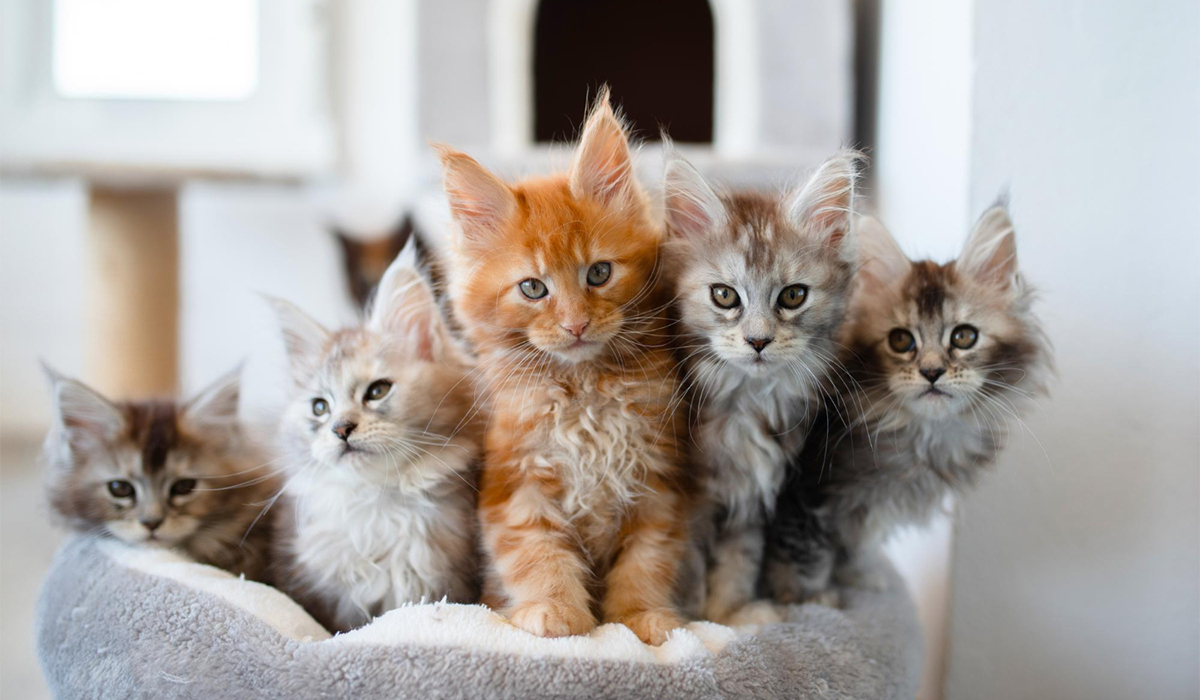
How to Raise a Maine Coon Kitten : Complete Care Guide 2026
Bringing home a Maine Coon kitten is genuinely exciting, but raising one well takes more than just food, water, and a litter box. These kittens need a safe environment, age-appropriate nutrition, regular grooming, real veterinary care, socialization, play, and a whole lot of positive interaction as they grow.
Because Maine Coons are known for their large size, long coats, playful personalities, and famously slow development, new owners often have a lot of questions about what their kitten actually needs at each stage.
This guide walks through raising a Maine Coon kitten from day one at home through those early stages of development, with practical tips for building healthy routines and helping your kitten grow into a genuinely confident companion.
Bringing Your Kitten Home
The first few days can genuinely overwhelm a kitten. Even a naturally confident Maine Coon may need real time to adjust to unfamiliar people, sounds, smells, and surroundings.
Before your kitten arrives, set up a quiet area where it can rest and explore at its own pace. That space should include food and fresh water, a comfortable bed, a clean litter box, a scratching post or similar surface, age-appropriate toys, a safe hiding spot, a carrier, and a few areas where your kitten can comfortably settle down.
Keeping anything genuinely dangerous out of reach of electrical cords, small objects, household chemicals, toxic plants, open windows, and unsecured cabinets can all create real risk for a naturally curious kitten.
On the first day, try not to overwhelm your kitten with too many visitors, and don’t give it unrestricted run of the entire house right away. Give it time to settle before gradually opening up more rooms and experiences.
The First 24 Hours
Your kitten might sleep more than you’d expect, hide for stretches of time, or seem quieter than its normal personality. That’s usually just a response to the stress of a totally new environment, not cause for alarm.
Provide food, water, litter access, and somewhere comfortable to rest. Let your kitten come to you rather than forcing interaction before it’s ready.
The First Week
During week one, start establishing predictable routines for feeding, play, grooming practice, litter-box use, and rest.
Gentle handling during this stretch also helps your kitten get comfortable with everyday things being picked up, having its paws touched, going into a carrier, and being brushed.
The First Month
As your kitten settles in and gets more comfortable, gradually introduce new rooms, household sounds, appropriate toys, and different kinds of gentle interaction.
The goal was never exposing your kitten to everything at once. Introduce new experiences gradually and let it build confidence one step at a time.
The First Few Weeks: What to Focus On
A consistent routine genuinely makes life easier for both you and your kitten. During those early weeks, focus on five core areas.
- Nutrition: Offer appropriate kitten food and fresh water at all times.
- Health: Follow your vet’s recommendations for exams and preventive care.
- Socialization: Introduce people, handling, sounds, and new experiences gradually.
- Training: Encourage the behavior you want using positive reinforcement.
- Rest and play: Let your kitten sleep plenty while giving it appropriate chances to be active.
Don’t expect your kitten to figure everything out immediately. Young cats develop at genuinely different rates, and patience is honestly one of the most important parts of raising a well-adjusted Maine Coon.
Nutrition and Feeding
Nutrition is genuinely one of the most important parts of raising a healthy kitten. Maine Coon kittens need food actually formulated for growing cats, not an adult maintenance diet, unless your vet tells you otherwise for a specific reason.
Choose a nutritionally complete kitten food suited to your kitten’s age, and follow the feeding guidance on the label while factoring in your vet’s own recommendations.
A solid feeding routine involves age-appropriate kitten food, consistent meal times, fresh water available around the clock, regular monitoring of body condition and growth, and adjustments whenever your vet actually recommends them.
Maine Coons grow into a large breed, sure, but that’s not a reason to try to speed up growth by overfeeding or piling on unnecessary supplements. Healthy growth matters a lot more than fast growth.
Your kitten’s nutritional needs will shift as it grows. If you notice digestive issues, unusual weight changes, food sensitivities, or any other health concern, talk to your vet before making any significant changes to the diet.
Grooming a Maine Coon Kitten
A Maine Coon’s gorgeous coat needs regular attention and starting grooming habits early makes brushing and general coat care a lot easier down the road.
Brush your kitten gently and consistently, gradually helping it get comfortable with the whole process. Pay particular attention to spots where longer fur tends to tangle around the neck, behind the ears, and underneath the body especially.
Grooming should really involve more than just brushing, too. Gradually introduce your kitten to nail handling, paw inspection, ear checks, and being handled around the face and body generally.
Try to avoid turning grooming into a struggle whenever you can help it. Keep early sessions short, calm, and genuinely positive.
For more detail on keeping a Maine Coon’s coat and overall health in good shape, check out our full guide to Maine Coon grooming and health care.
Health and Veterinary Care
A veterinary exam is a genuinely important step when bringing a new kitten home. Your vet can assess your kitten’s overall health and help put together an appropriate preventive-care plan going forward.
Depending on your kitten’s age and situation, that first visit and the ones that follow may cover vaccinations, parasite prevention, nutrition, weight and growth, dental development, spaying or neutering, and future health monitoring.
Rather than following some generic schedule you find online, work directly with your vet to figure out what’s actually appropriate for your specific kitten. Keep copies of veterinary records, and jot down vaccinations, treatments, medications, and any other important health info as you go.
Also pay attention to shifts in your kitten’s normal behavior. A meaningful change in appetite, energy, litter-box habits, breathing, or general demeanor is worth a call to the vet rather than waiting it out.
Health Considerations Worth Knowing
Maine Coons carry a few breed-associated health considerations, which is exactly why responsible preventive care and regular vet checkups matter so much for this breed specifically.
That said, there’s no need to become overly anxious about every possible condition out there. What matters is genuinely understanding the value of ongoing health monitoring, rather than either ignoring it or spiraling over it.
Your vet can help figure out whether your kitten would benefit from particular screening or monitoring based on its individual history, age, family background, and overall health picture.
If you want to dig deeper into one especially important Maine Coon health topic, our guide to HCM and cardiac health in Maine Coon cats covers it in detail.
None of this is about diagnosing anything yourself at home. Regular veterinary care simply gives you a real chance to catch potential concerns early and talk them through with someone qualified.
Socializing Your Kitten
Socialization helps kittens feel genuinely comfortable with the people, sounds, routines, and environments they’ll encounter throughout their lives, not just in the first few months.
Introduce new experiences gradually. Over time, your kitten can get familiar with different household sounds, gentle handling, new people, grooming, the carrier, vet visits, different rooms, and appropriate interactions with other pets.
Always watch your kitten’s body language closely. If it gets scared, give it space and let it recover before trying again. Don’t push through fear hoping it’ll just work itself out. Socialization should build genuine confidence, not force a kitten into situations that feel overwhelming.
Short, positive experiences tend to work a lot better than long, drawn-out exposure quality over duration, essentially.
Training a Maine Coon Kitten
Maine Coon kittens are genuinely smart and playful, which makes early training a genuinely useful part of everyday life with one.
You don’t need anything complicated. Start with simple routines and reward the behaviors you actually want to encourage. For instance, you can help your kitten get comfortable with its name, coming when called, using a scratching post, going into a carrier, being handled for grooming, calm interactions generally, and appropriate play.
Positive reinforcement works particularly well here to reward good behavior with attention, play, or an appropriate treat rather than reaching for punishment, which tends to just create fear without teaching anything useful.
As your kitten settles into the home, you can gradually introduce more structured training if you’d like. And try to avoid rough play using your bare hands using toys instead of teaching your kitten a genuinely appropriate way to interact with people, one that won’t turn into a problem once it’s a full-grown Maine Coon.
Sleep, Exercise, and Play
Kittens need a lot of sleep, since rest genuinely supports normal growth and development. Don’t worry if your young Maine Coon spends a big chunk of the day just sleeping. That’s completely normal.
When your kitten’s actually awake, give it real opportunities for safe play and exploration. Useful options include interactive toys, wand-style toys used under supervision, chasing games, puzzle-style enrichment, scratching posts, safe climbing opportunities, and several short play sessions spread throughout the day rather than one long one.
Maine Coon kittens can be genuinely energetic, so mental stimulation matters just as much as physical activity does.
Avoid leaving out toys with small detachable parts or long strings when your kitten can’t be supervised, and put away anything potentially hazardous once playtime’s over.
Kitten-Proofing Your Home
A kitten’s curiosity can lead it into places you genuinely wouldn’t expect. Before letting your kitten roam freely, walk through the house looking for potential hazards.
- Electrical cords: Secure any exposed cords where you can, and keep your kitten from chewing on them.
- Small objects: Clear away anything that could potentially be swallowed — small pieces of plastic, string, rubber, or similar materials especially.
- Toxic plants: Double-check that any plants your kitten can reach are actually safe for cats.
- Windows and balconies: Make sure windows and any elevated areas are properly secured.
- Household chemicals: Store cleaning products, medications, and chemicals somewhere genuinely secure.
- Appliances and furniture: Check inside washing machines, dryers, reclining furniture, cupboards, and other enclosed spaces before using or closing them kittens love these hiding spots more than you’d think.
- Strings and string-based toys: Don’t leave these unattended, ever, even briefly.
Taking these precautions before your kitten even arrives can prevent a lot of genuinely avoidable accidents down the line.
A Sample Daily Routine
Every kitten’s different, so there’s no single perfect schedule, but a predictable daily rhythm genuinely helps a kitten settle into a household faster.
- Morning: fresh water, the appropriate meal, a litter box check, and some time playing or interacting together.
- Afternoon: plenty of quiet rest, an appropriate play session once your kitten’s awake, and a brief grooming or handling practice session.
- Evening: the next meal on your feeding schedule, some interactive play, a short positive-reinforcement training moment, and some calm time together.
- Before bed: check food and water levels, check the litter box, and make sure your kitten’s sleeping area is safe and comfortable for the night.
Keep the schedule flexible, though — young kittens naturally swing between bursts of activity and long stretches of rest, and that’s exactly how it should be.
How Maine Coons Actually Develop?
One of the most important things for new owners to understand: Maine Coons are a genuinely slow-maturing breed.
Your kitten’s appearance, coat, activity level, appetite, and personality can all shift noticeably as it grows. Along the way, you might notice increasing coordination, changing activity levels, ongoing coat development, growing curiosity, shifts in eating habits, more developed social behavior, gradual physical growth, and a personality that keeps evolving.
Try not to compare your kitten too closely against photos or growth claims you find online — individual Maine Coons genuinely develop at different rates from each other. Instead, keep an eye on your kitten’s overall health, behavior, body condition, and development, with guidance from your vet along the way.
Mistakes New Owners Should Steer Clear Of
Even genuinely well-meaning owners can trip up when caring for a new kitten.
- Overfeeding because Maine Coons get big: Growing into a large adult breed doesn’t mean you should encourage a kitten to gain weight as fast as possible.
- Introducing too much too fast: Let your kitten adjust gradually instead of throwing numerous people, rooms, pets, and experiences at it all at once.
- Putting off grooming until the coat gets long: Starting gentle grooming habits early makes coat care a lot easier once that coat actually comes in fully.
- Using punishment during training: It creates fear without actually teaching your kitten what behavior you want instead.
- Allowing rough hand-play: Use toys instead of hands, so your kitten learns appropriate play habits early on.
- Skipping vet visits: Even a kitten that looks perfectly healthy genuinely benefits from proper preventive veterinary care.
- Expecting an exact development timeline: Maine Coon kittens don’t all grow and mature at precisely the same pace and that’s completely normal.
Raising a Happy, Healthy Maine Coon
Raising a Maine Coon kitten is a gradual process, start to finish. You don’t need to teach it everything in the first few days, and you definitely don’t need a perfect routine locked in immediately.
Start with the essentials: a safe home, appropriate nutrition, real veterinary care, gentle grooming, positive socialization, plenty of rest, and genuine opportunities for play and exploration.
As your kitten gets more comfortable, gradually layer in new experiences and routines. Consistency and patience are really what help a Maine Coon grow into a confident, well-adjusted companion over time.
If you’re preparing to welcome one into your family, take a look at our Maine Coon kittens to see what’s currently available through Bella Dolce. You’re also welcome to meet the Bella Dolce Maine Coon cats and learn more about the cats behind our cattery.
FAQ
How do you take care of a Maine Coon kitten?
It comes down to appropriate kitten nutrition, fresh water, regular veterinary care, grooming, socialization, safe exercise, play, rest, and a genuinely secure home environment.
What should a Maine Coon kitten actually eat?
Generally, nutritionally complete food formulated specifically for kittens and appropriate for its stage of development. Feeding amounts and any dietary changes are worth discussing directly with your vet.
How often should you groom a Maine Coon kitten?
Regular, gentle grooming helps a kitten get used to coat care from an early age. The exact frequency really depends on the individual kitten’s coat and how prone it is to tangling or matting.
Are Maine Coon kittens genuinely difficult to care for?
They need the same core areas of care as any kitten nutrition, veterinary care, grooming, socialization, play, and safety. Their longer coat and eventual large size just mean it pays to build good habits early rather than later.
How do you actually socialize a Maine Coon kitten?
Introduce it gradually to people, household sounds, grooming, handling, the carrier, and other everyday experiences. Keep interactions positive, and give your kitten room to retreat if it starts feeling overwhelmed.
How much sleep does a Maine Coon kitten need?
A lot of young kittens spend a significant chunk of their day sleeping and resting. Sleep patterns vary kitten to kitten, so focus on providing a quiet, comfortable spot where it can rest undisturbed.
When should a Maine Coon kitten first see a vet?
Arrange that first visit right around when your kitten comes home, then follow your vet’s recommendations for exams, vaccinations, parasite prevention, nutrition, and ongoing preventive care from there.
How long does it actually take a Maine Coon to mature?
Maine Coons are known for maturing more slowly than a lot of other cats. Individual growth genuinely varies, so lean on your vet to help track healthy development over time rather than a fixed timeline.
At the end of the day, raising a Maine Coon well was never about rushing its growth or sticking to some rigid schedule. It’s about providing genuinely appropriate care, paying attention to your kitten’s individual needs, and building positive habits right from the start.
Also Read: Maine Coon vs Ragdoll