

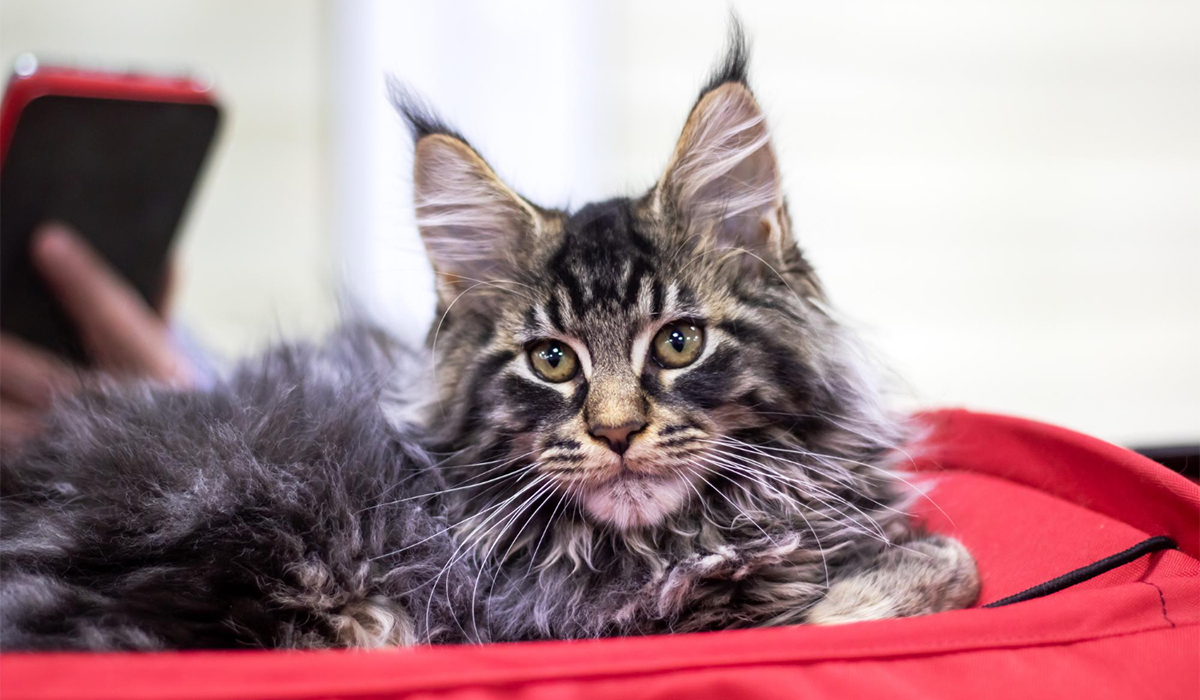
Maine Coon Care Guide: Grooming, Feeding and Health Tips
Anyone who has lived with a Maine Coon knows the breed makes an impression. They’re big, a little goofy, and they grow one of the most striking coats in the cat world. That coat, along with their size and slow road to adulthood, means they ask a bit more of their owners than the average shorthair.
None of it is complicated once you get into a rhythm. Most good Maine Coon care comes down to a handful of habits you build early and keep up: a brush that comes out a few times a week, food that suits the cat’s stage of life, and a vet who knows your cat. Do those three things consistently and you’ve handled the bulk of it.
This guide walks through all three grooming, feeding, and health with the goal of giving you routines you can actually stick to, not a wall of rules. Whether you’ve just brought home a kitten or you’ve had your Coon for years, the same principle holds: pay attention to the cat in front of you, and adjust from there.
Grooming Your Maine Coon
That long, water-resistant coat is the whole point for a lot of people, and it’s also the part of care that gets neglected until there’s a problem. Regular brushing pulls out the loose undercoat before it clumps, keeps tangles from turning into mats, and maybe most usefully gets your hands on your cat often enough that you’ll notice a lump, scab, or bald patch early.
Every Coon’s coat is a little different. Some carry a dense, cottony undercoat that knots up if you look away for three days; others stay surprisingly low-maintenance. You’ll learn yours quickly.
How Often Should You Brush?
A few times a week is a reasonable baseline for most Maine Coons. During the big seasonal sheds usually spring and fall you may find yourself reaching for the brush closer to daily, and that’s normal.
Rather than locking yourself into a schedule, let the coat tell you what it needs. Loose tufts coming away when you pet the cat, small knots forming behind the ears, fur starting to clump at the belly; these are all signs to brush more often for a while.
A few spots knot up faster than the rest and deserve extra attention: behind the ears, around the ruff and neck, under the chin, the belly, the “britches” behind the back legs, and around the base of the tail. These are the areas a cat has the hardest time keeping up with on its own, and they’re where most mats start.
The trick is frequency over intensity. Ten easy minutes several times a week beats a forty-minute battle once the coat is already a mess.
Choosing a Brush and Comb?
For a coat this long, two tools do most of the work: a brush made for long-haired cats and a decent stainless-steel comb. The comb is the one that catches tangles the brush glides right over, so don’t skip it.
Go gently. The aim isn’t to strip the coat or dig at the skin, it’s to work through the fur and lift out what’s loose. When you hit a small knot, tease it apart with your fingers or the end of the comb rather than dragging the tool straight through it. Yanking hurts, and a cat who learns that brushing hurts will fight you every time.
With a kitten, keep the first sessions short and low-pressure. Let them sniff the brush, chew on it, bat it around. Reward the calm moments. You’re teaching them that grooming is just a normal thing that happens, not an ambush.
Staying Ahead of Mats
Mats are the enemy, and the honest truth is that prevention is the only easy solution. Once fur falls into a tight mat, it pulls on the skin, traps moisture, and gets uncomfortable fast.
Run your hands and comb through the high-risk areas regularly and you’ll catch tangles while they’re still loose enough to work out in a minute. Wait, and a pea-sized knot becomes a matted patch that no amount of brushing will save.
If a mat is already large, close to the skin, or clearly painful when you touch it, stop pulling at it. Don’t reach for scissors to cut it out either. The skin underneath tents up into the mat where you can’t see it, and it’s an easy way to cut your cat. A groomer or your vet can shave it off safely, and it’s worth the trip.
Nail Care
Nails are part of the routine too. Start handling your kitten’s paws early, press gently on the pads to extend the claws, let them get used to the feeling so that trimming later isn’t a wrestling match.
For adults, check the nails every couple of weeks. Keeping them at a sensible length cuts down on snagged claws, accidental scratches, and the overgrown nails that can curl into the pad on older or less active cats.
What to Watch For While You Brush?
Grooming doubles as a health check, and this is one of the quietly valuable parts of doing it regularly. While your hands are in the coat, keep half an eye out for red or irritated skin, spots your cat keeps scratching or over-grooming, thinning fur or bald patches, mats that keep reappearing in the same place, and any gunk or odd smell around the ears.
You don’t need to diagnose anything. You just need to notice when something’s changed. If it looks off or sticks around, that’s a reason to call the vet and you’ll have caught it weeks earlier than you would have otherwise.
Building a Routine You’ll Keep
The whole thing works better as a background habit than a chore you dread. Something like this holds up well:
A few times a week, brush through the coat, run the comb over the belly and behind the ears, and glance at the skin as you go. Every couple of weeks, check the nails, look in the ears, and handle the paws so your cat stays comfortable with it. And as needed, jump on small tangles before they set, brush more during heavy sheds, and book a groomer if a bad mat gets ahead of you.
If you’re starting with a young cat, building these habits now pays off for the next fifteen years. Our guide to raising a Maine Coon kitten covers the early handling and socialization side in more depth.
Feeding Your Maine Coon
Feeding a Coon isn’t complicated, but there’s one idea worth getting straight from the start: these cats mature slowly, sometimes taking three to five years to reach full size. The goal with a kitten is steady, healthy growth not stuffing them to get big fast. Rushing weight onto a growing large-breed cat does them no favors.
Picking the Right Food
Start with a complete and balanced food made for your cat’s life stage. Kittens need a growth formula; adults have different needs and generally do better on maintenance food. That “complete and balanced” line on the label matters more than any single hero ingredient the marketing leads with.
Don’t buy food because the bag says “grain-free” or shows a majestic lion or promises to unlock your cat’s inner wolf. Look at whether the diet is nutritionally adequate for the life stage, and let that drive the decision. If your cat has a medical issue, a food sensitivity, or has been gaining or losing weight without explanation, that’s the point to get individual advice from your vet rather than guessing.
Wet Food or Dry Food?
Both can work, and plenty of owners feed a mix. Wet food brings more moisture, which is genuinely useful. Cats aren’t naturally big drinkers, and the extra water content supports the kidneys and urinary tract. Dry food is convenient, easy to leave out, and fine as part of the picture.
One thing dry food is not, despite what you’ll read: a substitute for dental care. The idea that kibble scrubs teeth clean is mostly wishful thinking. Feed dry if it suits your cat, but don’t let it stand in for actually looking after the teeth.
How Much and How Often
There’s no magic number here, because portion size depends on the cat: age, weight, how active they are, life stage, body condition, how calorie-dense the food is, and any health issues all factor in.
Use the feeding guide on the package as a starting point, then adjust based on what you actually see. Run your hands along the ribs now and then you should be able to feel them under a light layer, not see them, and not have to dig. Kittens do well on regular, age-appropriate meals through the day. With adults, portion control matters more, because carrying extra weight puts real strain on the joints and heart of a big cat.
Fresh Water
Keep clean water available every day, and pay attention to how your cat likes to drink. A lot of Coons are fussy about it, some prefer a wide bowl that doesn’t touch their whiskers, others will only drink from a running fountain, and plenty enjoy pestering you at the bathroom tap. Wash the bowls or fountain regularly and put them somewhere the cat actually wants to hang out.
A sudden change in how much your cat drinks or pees is worth flagging to your vet, it’s one of the more useful early signals cats give us.
Treats and Supplements
Treats are great for training and bonding, but they’re extras to keep them to a small slice of the day’s calories so they don’t quietly tip your cat into being overweight.
As for supplements, most healthy cats on a complete diet don’t need them. Be especially skeptical of anything marketed specifically at “large breeds” or “long-haired cats” that’s a sales angle, not a nutritional requirement. If there’s a real reason to add something, decide that with your vet, aimed at an actual problem.
Switching Foods
When you change foods, go slow. Cats have sensitive stomachs, and an abrupt swap is a reliable way to get vomiting or diarrhea. Mix a little of the new food into the old and shift the ratio over about a week, watching how your cat handles it.
If you get persistent vomiting, diarrhea, or a cat who flat-out refuses to eat, back off and check with your vet.
Maine Coon Health Care
Good health care isn’t just fixing things when they break. It’s the boring, steady stuff, decent food, exercise, regular grooming, a body condition that stays in a good range, and a vet who sees your cat before there’s a crisis. That’s what keeps a Coon comfortable into old age.
Regular Vet Checkups
Routine visits give your vet a chance to catch drift you’d never spot at home: a heart murmur, a bit of weight creep, early dental disease. Depending on your cat’s age and history, those visits are where you’ll sort out vaccinations, parasite prevention, weight, dental care, and what to watch for as the cat ages. Kittens and senior cats generally need to be seen more often than healthy adults in their prime.
Vaccinations and Prevention
Which vaccines your cat needs, and how often, comes down to age, health, lifestyle, and what they’re actually exposed to. An indoor-only cat has a different risk profile than one who patrols the garden. This is a real medical decision, so build it with your vet rather than copying a generic schedule off a forum. Parasite prevention usually fits in here too.
Keeping a Healthy Weight
Here’s a trap specific to the breed: Maine Coons are supposed to be big, so it’s easy to look at a genuinely overweight Coon and call it “just a large cat.” Size and fat aren’t the same thing. A healthy Coon is large and solid; an overweight one is large and soft, and the extra pounds land on the joints and heart.
Resist the urge to overfeed because you want a bigger cat the size is written in the genes, not the bowl. Watch body condition instead, and if you’re not sure where your cat sits, your vet can show you what to feel for.
Exercise and Movement
Coons are playful, curious cats well into adulthood, and they need outlets for it. Give them room to climb, tall things to perch on, scratchers to work, toys to chase, and a bit of interactive play with you a wand toy for ten minutes does more than any amount of leaving toys on the floor. It keeps muscle on them and weighs them off.
One thing worth taking seriously: if your cat suddenly stops jumping onto surfaces it used to clear easily, or gets reluctant to play or climb, don’t just chalk it up to “getting older.” Cats hide pain well, and a change like that can be the first sign of a joint or heart issue. It’s worth a mention to the vet.
Dental Care
Teeth get overlooked, and dental disease is one of the most common problems in cats. Ask your vet what makes sense for you that might mean brushing (yes, cats can learn to tolerate it, especially if you start young), dental diets or products, and professional cleanings when needed. What it doesn’t mean is relying on dry food to do the job for you.
Breed-Specific Health Considerations
Like every purebred, Maine Coons come with a few health conditions the breed is watched for, which is a big part of why steady vet care matters.
The one most owners run into while reading about the breed is hypertrophic cardiomyopathy (HCM), a thickening of the heart muscle. It’s worth being aware of but awareness is not the same as diagnosis, and you can’t sort this out from a symptom list on the internet. If you’re worried about your cat’s heart, or you notice changes in breathing, energy, appetite, or behavior, that’s a vet conversation.
Reputable breeders screen their breeding cats for it, which is one thing worth asking about when you’re choosing a kitten. Our guide to Maine Coon heart health goes deeper on this.
Because they’re a large, heavy breed, joint and orthopedic health is the other thing to keep half an eye on. Keeping your cat lean and giving it safe, regular activity does most of the protective work here. If your vet thinks a particular cat needs closer monitoring, they’ll tell you.
Starting Grooming and Handling Early
If there’s one piece of advice that saves the most grief down the line, it’s this: get your kitten used to being handled while they’re still young and easy to win over. A cat who grew up thinking brushing, paw-touching, nail checks, and gentle poking-around are just part of life is dramatically easier to care for as a full-grown, opinionated adult.
Keep the early sessions tiny. Let the kitten investigate the brush. Touch the coat. Brush one small patch. Praise the calm. Then stop ideally before the kitten has decided they’re done, so the session ends on a good note. Little by little, stretch it out as they get comfortable.
The same slow approach works for paws and for the carrier, which is worth normalizing before you ever need it for a vet trip. If your kitten gets scared, don’t force it back off and try again later. Forcing a frightened kitten just teaches them that your hands mean trouble, and you’ll pay for it for years. For more on the early days, see our full guide to raising a Maine Coon kitten.
Grooming Kittens vs. Adults
Kitten grooming is really about building the habit; the coat itself barely needs the help yet. Your job at that stage is making the whole experience unremarkable and pleasant.
The adult coat is a different animal. As it comes in over the first few years, it gets longer, fuller, and more prone to knotting, so the grooming that was optional at six months becomes genuinely necessary at two years.
Watch how fast your particular cat’s coat tangles and let that set your pace. The target was never “brush as much as humanly possible” — it’s a coat that stays comfortable and manageable, maintained in a way your cat doesn’t dread.
What are the Common Mistakes to Avoid?
- Waiting until the coat is already matted: By then you’ve lost the easy option. Small tangles take a minute; mats take a groomer.
- Brushing too hard: Dragging through knots hurts, and a cat who associates the brush with pain will resist it forever. Slow and gentle wins.
- Overfeeding because they’re a “big breed”: Their size is genetic. Feed for healthy growth as kittens and a good body condition as an adult not for maximum bulk.
- Treating kibble as dental care: It isn’t. Sort out actual dental care with your vet.
- Handing out supplements you don’t need: A complete diet covers a healthy cat. Skip the large-breed and long-hair marketing add-ons unless your vet recommends one for a reason.
- Ignoring changes in behavior: Cats are experts at hiding illness. A shift in appetite, drinking, litter-box habits, grooming, energy, breathing, or mood is information that doesn’t wave it off.
- Turning grooming into a fight: Push a scared cat through a long session and every future session gets harder. Build tolerance in short, positive bursts instead.
Conclusion
Caring for a Maine Coon is less a fixed routine than an ongoing conversation with one particular cat. Regular grooming keeps the coat manageable and gets your hands on your cat often enough to notice problems early. The right food supports steady growth and a healthy body. Preventive vet care catches the things you can’t see coming, and play keeps body and mind in good shape.
Above all, watch your cat. One Coon needs brushing every other day; another gets by twice a week. Appetites differ, grooming tolerance builds at different speeds, and a cat’s needs shift as it ages. Set good habits early, stay in touch with your vet when questions come up, and you’ve given your Maine Coon what it needs for a long, comfortable life.
If you’re still getting ready for a new arrival, take a look at our available Maine Coon kittens and get to know the cats behind Bella Dolce Maine Coons.
FAQ
How often should you groom a Maine Coon?
A few times a week suits most Coons, more during heavy seasonal sheds or if your cat has a dense, tangle-prone coat. Let the coat guide you rather than a fixed calendar.
What’s the best brush for a Maine Coon?
A good long-haired cat brush plus a stainless-steel comb covers most needs. The comb catches what the brush misses. The “best” tool is whatever lets you work through the coat gently without pulling at the skin.
How do you prevent mats in a Maine Coon?
Brush regularly and stay on top of the high-risk spots behind the ears, the neck, the belly, and the britches behind the back legs. Loose tangles are easy; felted mats are not.
What should a Maine Coon eat?
A complete, balanced food matched to their life stage, a growth formula for kittens, and maintenance food for adults. Individual needs vary, so loop in your vet if there’s a health issue in the mix.
Should Maine Coons eat wet or dry food?
Either can work, and many owners do both. Wet food adds valuable moisture; dry is convenient. Just don’t count on dry food for dental care.
How do I keep my Maine Coon’s coat healthy?
Regular brushing, a solid diet, a healthy weight, and routine vet care all show up in the coat. Brushing also lets you catch skin or coat changes early.
Do Maine Coons need regular vet checkups?
Yes. Routine visits are the backbone of preventive care vaccinations, parasite prevention, dental checks, weight, and general monitoring all happen there.
Are Maine Coons prone to health problems?
Like any breed, they have a few conditions worth watching for, HCM among them. Regular vet care, good nutrition, a healthy weight, and attention to behavior changes go a long way.
How can I make my Maine Coon comfortable with grooming?
Start young if you can, keep sessions short, handle the cat gently, introduce tools gradually, and reward calm behavior. Never force a frightened cat through a long session.
Also Read: Reputable Maine Coon Breeder in the USA