

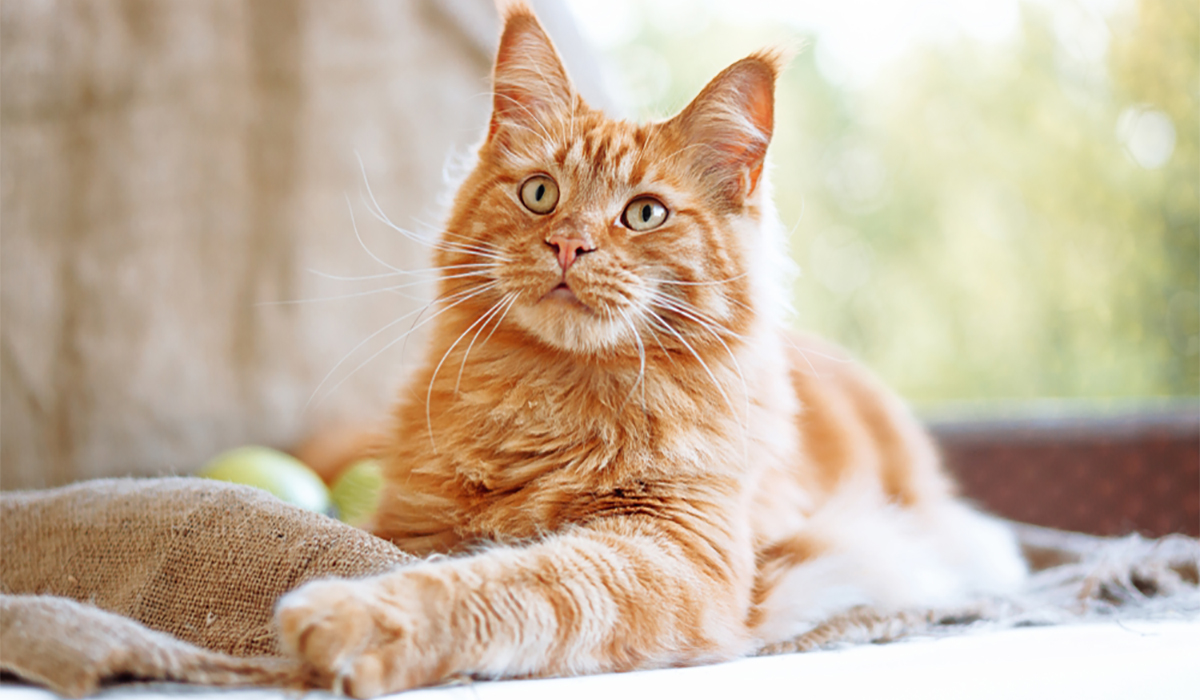
Maine Coon Kitten Training : Tips for a Well-Behaved Cat
Maine Coon kittens are known for their impressive size, gentle personalities and social nature. But even a naturally friendly kitten needs guidance to learn the routines and behaviors that make life easier for both the cat and the family.
Maine Coon kitten training does not mean forcing your kitten to obey commands. It is about creating positive habits, teaching appropriate behaviors and helping your kitten become comfortable with everyday experiences such as grooming, handling, travel and household routines.
The best approach is simple: keep training positive, keep sessions short and reward the behavior you want to see again.
Whether you are preparing for a new kitten or already have one at home, the following tips can help you build good habits from the beginning.
Maine Coon Kitten Training: When Should You Start?
You can begin Maine Coon kitten training as soon as your kitten comes home and settles into the new environment.
You do not need complicated training sessions. In fact, young kittens generally benefit more from short and consistent interactions than long sessions.
Start with everyday routines such as:
- Using the litter box
- Responding to their name
- Accepting gentle handling
- Scratching appropriate surfaces
- Getting comfortable with grooming
- Entering a carrier
- Learning household boundaries
- Playing appropriately
The first goal is not to teach dozens of commands. It is to help your kitten understand what is normal and what behavior is rewarded.
Give your kitten time to adjust after arriving at your home. A new house contains unfamiliar smells, sounds, people and spaces. Allow your kitten to explore gradually rather than expecting immediate confidence.
If you are preparing for a new kitten, our guide to raising a healthy Maine Coon kitten can also help you understand the broader responsibilities involved in caring for a young Maine Coon.
How to Train a Maine Coon Kitten With Positive Reinforcement?
Positive reinforcement is one of the most useful approaches for how to train a Maine Coon kitten.
The idea is straightforward. When your kitten performs a behavior you want, provide something rewarding immediately afterward.
Depending on your kitten, that reward could be:
- A small treat
- A favorite toy
- Playtime
- Gentle attention
- Verbal praise
For example, suppose you want your kitten to use a scratching post instead of the sofa.
When the kitten uses the scratching post, reward the behavior. With repetition, the scratching post can become a more attractive option.
Keep training sessions short
Young kittens have limited attention spans. A five-minute session can be more productive than trying to keep a kitten focused for half an hour.
Try a few short sessions throughout the day. Always watch your kitten’s body language. If your kitten becomes frustrated, distracted or tired, stop and try again later.
Reward the behavior quickly
Timing matters. If your kitten performs the desired behavior and the reward comes several minutes later, the connection may not be clear.
Reward the behavior as close to the moment it happens as reasonably possible.
Teach Your Maine Coon Kitten to Respond to Their Name
Teaching your kitten its name is a simple training exercise that can also become useful in everyday life.
Start in a quiet room.
- Say your kitten’s name in a calm voice.
- When your kitten looks toward you, offer praise or a reward.
- Repeat several times.
- Gradually practice from farther away.
- Eventually use the name during normal household activities.
Avoid repeatedly calling the kitten’s name when something unpleasant is about to happen. You want your kitten to associate its name with positive experiences.
Once your kitten responds reliably, the name can become useful when calling your cat for meals, playtime or other routines.
How to Teach a Maine Coon Kitten Basic Commands?
Cats can learn certain cues and behaviors, but each cat has its own personality and motivation.
You can start with simple behaviors rather than expecting your kitten to behave like a dog.
Teaching “Come”
- Choose a quiet location.
- Call your kitten’s name followed by a consistent cue such as “come.” When the kitten approaches you, reward the behavior.
- Start from a short distance.
- Over time, practice in different areas of the house.
- Never turn the recall cue into something your kitten consistently associates with unpleasant experiences.
Teaching “Sit”
Hold a small reward above and slightly behind your kitten’s head. As the kitten naturally looks upward, its body may move into a sitting position. The moment the desired position occurs, reward it.
You are not trying to force the kitten into position. You are encouraging the behavior and rewarding it when it happens.
Maine Coon Kitten Litter Training
Litter-box habits are among the most important things to establish when bringing home a kitten. Make the litter box easy to find and keep it clean. Consider these practical tips:
- Place the box somewhere quiet and accessible.
- Avoid putting it directly beside food and water.
- Keep the box clean.
- Make sure the kitten can enter and exit comfortably.
- Observe your kitten’s routine.
- Provide appropriate access to litter boxes around the home.
If accidents occur, avoid punishment. Clean the area thoroughly and consider whether something about the litter box setup is causing the problem.
A sudden change in litter-box behavior can sometimes have a medical cause. If your kitten repeatedly avoids the litter box or suddenly develops inappropriate elimination, speak with a veterinarian rather than assuming it is simply a training problem.
How to Stop a Maine Coon Kitten From Scratching Furniture?
Scratching is a normal feline behavior. The goal isn’t to stop scratching completely. Instead, teach your kitten where scratching is appropriate. Provide several scratching options.
Some cats prefer vertical surfaces while others prefer horizontal ones. Offering different types can help you discover what your kitten prefers.
Place scratching posts near areas where your kitten already wants to scratch. When your kitten uses the appropriate surface, reward the behavior. You can also make the scratching area more interesting with toys or play.
Avoid yelling or physically punishing your kitten for scratching furniture. Instead, calmly redirect the kitten toward an appropriate scratching surface.
Socializing a Maine Coon Kitten
Socialization is an important part of raising a confident companion. A kitten may encounter many new experiences during its life:
- Visitors
- Children
- Household appliances
- Grooming
- Car rides
- Veterinary visits
- Different rooms
- Other animals
- New environments
Introduce new experiences gradually. The goal is not to expose your kitten to everything at once. Too much stimulation can create unnecessary stress.
Instead, allow your kitten to approach new experiences at a comfortable pace. Reward calm behavior and give your kitten a safe place to retreat.
A confident cat is not necessarily one that wants to interact with everyone. Respecting your kitten’s boundaries is also part of good socialization.
Train Your Maine Coon Kitten to Accept Grooming
Maine Coon cats have a long and distinctive coat, so grooming should become a normal part of life rather than something that only happens when the coat becomes tangled.
- Start grooming training while your kitten is young.
- Let your kitten investigate the brush first.
- Then try a few gentle strokes.
- Reward calm behavior and gradually increase the length of grooming sessions.
- You can also practice gently touching the paws, ears and other areas that may need attention later.
- Never turn grooming into a wrestling match.
If your kitten becomes stressed, stop and try again later. For more information about maintaining a Maine Coon’s coat and general care, see our guide to Maine Coon grooming and health care.
Carrier Training Is an Important Part of Maine Coon Kitten Training
Many cats become anxious when they see a carrier because they only encounter it before a veterinary appointment.
- You can change that association.
- Leave the carrier somewhere accessible when possible.
- Place comfortable bedding inside and allow your kitten to investigate it voluntarily.
- You can occasionally place a toy or reward inside.
- Once your kitten is comfortable entering the carrier, practice closing the door for short periods.
Later, you can gradually introduce short journeys. This approach can make future veterinary appointments and transportation much less stressful.
Carrier training is particularly useful for a large breed like the Maine Coon because you should choose a carrier that provides enough space for your growing cat.
Can You Train a Maine Coon Kitten to Walk on a Leash?
Yes, some Maine Coon cats can learn to walk with a harness and leash, but individual cats differ.
Never assume that because a Maine Coon is social it will automatically enjoy walking outdoors. Start indoors. Let your kitten inspect the harness before putting it on.
Then:
- Put the harness on for a very short period.
- Reward calm behavior.
- Gradually increase the amount of time.
- Introduce the leash indoors.
- Let your kitten walk around without pulling.
- Move outdoors only when your kitten is comfortable.
If your kitten freezes, struggles intensely or shows obvious distress, stop and reassess. The objective is to build confidence, not force your cat to walk outside.
Use Play as Part of Maine Coon Kitten Training
Training doesn’t always need to look like formal training. Play can teach useful behaviors while providing physical and mental stimulation. Try activities such as:
- Interactive toys
- Food puzzles
- Chase games
- Toy retrieval
- Target-style games
- Climbing and exploration
For a growing Maine Coon, provide safe opportunities to climb and explore. Avoid encouraging your kitten to bite or attack human hands during play. Use appropriate toys instead.
If your kitten grabs your hands during play, calmly redirect the attention toward a toy. Consistency is important. Everyone in the household should follow the same rules.
What are the Common Maine Coon Kitten Training Mistakes?
Even well-intentioned owners can make training harder than it needs to be:
1. Using punishment
Yelling or physically punishing a kitten can create fear without teaching the behavior you actually want. Redirect unwanted behavior instead.
2. Training for too long
Short sessions are usually easier for young kittens.
3. Changing the rules
If one family member allows a behavior while another constantly discourages it, the kitten receives mixed signals.
4. Expecting instant results
Training is a process. Some kittens learn quickly. Others need more repetition.
5. Ignoring the environment
Sometimes unwanted behavior is caused by the environment.
For example, a kitten scratching the sofa may simply need better scratching options.
A kitten repeatedly waking you at night may need more appropriate daytime play and enrichment.
Look for the reason behind the behavior rather than simply trying to suppress it.
How Long Does It Take to Train a Maine Coon Kitten?
There is no fixed timeline. Simple behaviors can sometimes be learned quickly, while household habits may take longer. The most important factors are:
- Consistency
- Your kitten’s personality
- Motivation
- Age and development
- Environment
- Frequency of practice
- Positive reinforcement
Think of training as an ongoing part of raising your cat rather than a project that has a specific finish date. Your goal is to build habits that continue into adulthood.
What Should You Train a Maine Coon Kitten First?
If you have just brought home a Maine Coon kitten, prioritize the basics.
- First priority: Litter-box routine and household safety
- Second priority: Name recognition and positive interaction
- Third priority: Scratching behavior
- Fourth priority: Handling and grooming
- Fifth priority: Carrier training
- Sixth priority: Basic cues and enrichment
You don’t need to teach everything during the first few days. Give your kitten time to settle in and build trust.
Final Thoughts
Successful Maine Coon kitten training is less about teaching a long list of commands and more about creating good habits from the beginning.
Start with the basics. Make the litter box easy to use. Provide appropriate scratching surfaces. Teach your kitten to respond to its name. Introduce grooming and carrier training gradually. Use play and positive reinforcement to encourage desirable behavior.
Most importantly, be patient.
Your Maine Coon kitten is learning not only what you expect but also how to feel comfortable in its new home. A calm and consistent approach can help create a strong relationship between you and your cat.
If you are researching Maine Coon kittens for your family, you can also explore Maine Coon kittens available from Bella Dolce and learn more about Bella Dolce Maine Coon cats.
The best training starts with trust. Give your kitten clear boundaries, appropriate outlets for natural behavior and plenty of positive experiences. Over time, those small daily interactions can help your Maine Coon grow into a confident and well-adjusted companion.
FAQ
Are Maine Coon kittens easy to train?
Maine Coon kittens can learn household routines and various behaviors through consistent positive reinforcement. However, every kitten has an individual personality, so training progress can vary.
How do you train a Maine Coon kitten?
Start with simple behaviors such as responding to its name, using the litter box, scratching appropriate surfaces and accepting gentle handling. Use short sessions and reward desirable behavior.
Can you train a Maine Coon to walk on a leash?
Some Maine Coon cats can learn harness and leash walking. Introduce the harness gradually indoors and only progress when your cat appears comfortable.
How do I stop my Maine Coon kitten from scratching furniture?
Provide appropriate scratching posts and surfaces. Place them near areas your kitten already scratches and reward the kitten for using them. Avoid punishment.
When should I start grooming training?
Grooming habits can be introduced while your Maine Coon is young. Begin with very short sessions and reward calm behavior so brushing becomes a familiar routine.
Also Read: Why Are Maine Coons Expensive