

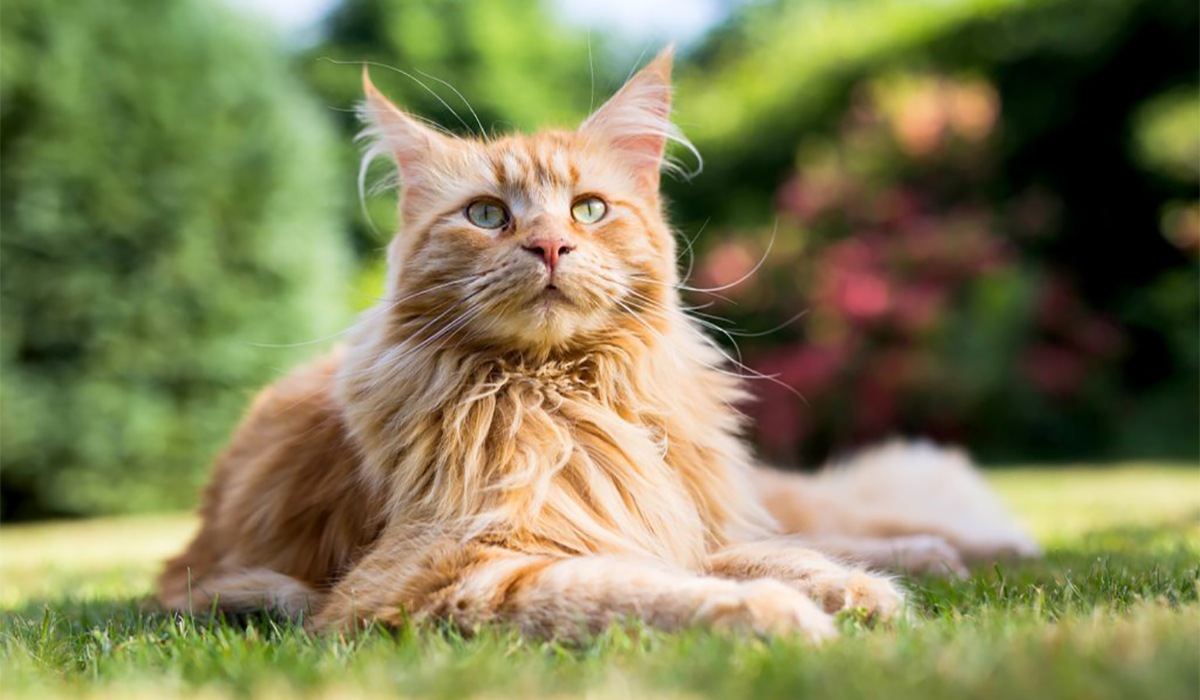
Bringing Home a Maine Coon : 10 Things to Know You First
Maine Coons have a way of talking people into them. The size, the ruff, the tufted ears, the fact that they act more like a shadow than a standoffish cat. There’s a lot of charm in one animal, and it’s easy to decide you want one before you’ve thought much past the wanting.
That’s the part worth slowing down for. A Coon is a ten-to-fifteen-year commitment, not a weekend purchase, and daily life with the breed asks for real things from you: time, grooming, money, space, and patience while a cat that grows in slow motion figures out who it’s going to be. None of that should scare you off; plenty of people do it happily. But going in clear-eyed is the difference between a great match and a regret.
Here’s what actually matters before you decide.
Ten Things to Weigh Before You Commit
Every cat should fit your life, not the other way around, and with a Coon a few points deserve extra thought:
- Adult size: They’re one of the bigger domestic breeds, and everything from the litter box to the vet bill scales with that.
- Slow growth: They take their time, often years, to fill out, so you’re signing up for a long “kitten” phase.
- The coat: Long fur means grooming isn’t optional; it’s a standing part of the week.
- Energy. They’re playful and curious and need outlets for it.
- Sociability: Most want to be involved in the household, not left to their own devices all day.
- Gear: A large cat needs appropriately sized litter boxes, carriers, beds, scratchers, and sturdy things to climb.
- Running costs: Food, litter, grooming supplies, routine vet care, and the surprise bills that eventually come.
- The long haul: This is a responsibility measured in years, not months.
- Your household: Kids, other pets, your work schedule, and how much space you’ve got all shape how it goes.
- Where the kitten comes from: If you’re buying, how the kitten was bred, raised, and socialized matters enormously.
Sit with those honestly and you’ll already know more than most first-time buyers do.
What’s It Actually Like to Live With One?
Social, curious, smart, playful, affectionate the standard descriptions fit most Coons, and in practice it means a cat that likes to be where you are, keeping tabs on whatever’s going on. A lot of them are chatty too, holding up their end of a conversation with chirps and trills rather than plain meows.
But personalities run a wide range, and this is worth internalizing before you fall for a stereotype: no two Coons are the same. Genetics, early handling, socialization, and environment all shape the cat you end up with. Pick the breed because you like what Coons generally tend to be, not because you’re expecting a guaranteed lap cat or a guaranteed clown.
A Coon can be a fantastic companion. It’s still an individual animal with its own preferences and its own boundaries, and the relationship works best when you treat it that way.
How Big Do They Get?
Size is usually the first thing anyone notices. Coons sit among the largest domestic breeds, with males generally bigger than females but the spread between individual cats is wide, and the giant record-holders online set expectations no ordinary kitten is obliged to meet.
Their whole look keeps shifting as they mature, too. Body, coat, proportions a Coon can go on developing well past the point a normal kitten would have settled into its adult shape, so don’t judge the finished cat by the gangly one in front of you at eight months.
Try not to fixate on hitting some particular weight or size. A healthy Coon doesn’t have to be enormous to be a good one, and chasing size is how cats end up overfed. Let your vet help you keep an eye on body condition as the cat grows, and let the size arrive on its own schedule.
If you want the fuller breakdown, our Maine Coon FAQs run through size, temperament, grooming, shedding, kids, and other pets in more detail.
How Long Until They’re Fully Grown?
Slowly is the short answer. A young Coon can keep developing physically for several years, though the exact pace varies from cat to cat depending on genetics, nutrition, and general health.
The move here is not to speed it up you can’t, and trying just leads to overfeeding a growing frame. Give the cat good food, regular vet care, plenty of rest, enrichment, and a safe place to grow up, and let it get there when it gets there. Routine checkups are the simplest way to confirm growth and condition are tracking the way they should.
How Much Grooming Is This, Really?
That flowing coat is a headline feature, and it comes with a standing commitment: grooming has to become part of your routine, not something you get to when you remember.
Most Coons do well with brushing a few times a week, though the right frequency depends on your particular cat and how fast its coat knots. The neck, behind the ears, belly, back legs, and tail are the usual trouble spots. Before you commit to the breed, ask yourself honestly whether you’ll keep that up because a neglected Coon coat turns into a matted, uncomfortable problem fast.
If you’re starting with a kitten, ease them into it early. Short, upbeat sessions get them comfortable with the brush, with having their paws handled, and with routine fussing, which makes the adult version of this far easier. Our grooming and health care guide covers the technique in depth.
How Much of Your Time Will It Take?
Owning a Coon is more than keeping a bowl full and a litter box scooped. Like any cat, they do best with regular interaction, play, enrichment, grooming, and general upkeep and being clever, curious animals, they get bored (and inventive) without it.
Day to day, that looks like fresh food and water, keeping the litter box clean, actually spending time with the cat, giving it play and things to scratch and climb, staying on top of the coat, and noticing when appetite or behavior shifts. You don’t have to entertain a Coon every waking minute, they can occupy themselves but you do need to build interaction and enrichment into your normal rhythm rather than treating it as a bonus.
What Does It Cost?
The kitten price is the part everyone fixates on, and it’s genuinely the smallest piece of the picture. The real cost is the years that follow.
Budget for quality food, litter and litter boxes, scratchers, toys, a cat tree or climbing setup, grooming supplies, a decent carrier, routine vet exams, vaccinations and preventive care, dental care, and the one that catches people out unexpected veterinary treatment. Pet insurance or a set-aside fund is worth thinking about precisely because that last category is unpredictable.
There’s a Coon-specific wrinkle, too: because they grow so large, gear that suits a kitten often has to be replaced later. A litter box or carrier that fits a little one may end up comically small for a full-grown adult. So the honest question isn’t “what does a kitten cost” it’s “can I comfortably fund this cat for its whole life.”
Is Your Home Right for a Coon?
Coons adapt to plenty of living situations, indoor homes very much included, as long as their physical and mental needs are met. Before one moves in, run through whether you can offer:
- A quiet place to rest: Somewhere the cat can retreat and switch off without being bothered.
- Proper scratching surfaces: Scratching is normal and necessary; give it a legitimate outlet so your furniture isn’t the default.
- Safe climbing: Sturdy cat trees and shelves that can actually take a large cat’s weight.
- A big enough litter box: Room to step in, turn around, dig, and go comfortably.
- Enrichment: Toys, play, puzzle feeders, and safe places to explore for a mind that needs occupying.
- A cat-proofed space: Cords secured, toxic products and unsafe plants out of reach, small swallowable objects put away, and windows that can’t drop a cat.
If you’re bringing home a kitten specifically, plan on a bit more prep before arrival day.
Are Coons Good With Kids and Other Pets?
Many settle happily into homes with children or other animals but “many” isn’t “all,” and there’s no guarantee. Every animal has its own temperament, and whether it works comes down to personalities, past experiences, ages, and how carefully you handle the introductions.
If you’ve got children, the job is teaching them how to treat the cat: approach calmly, handle gently, no pulling fur or tails, no chasing, leave it alone while it’s eating or sleeping, and let it walk away when it wants to. That last one respecting the cat’s exit prevents most trouble.
If there’s already a cat or dog in the house, go slow. Give each animal its own safe zone and let them get used to each other’s scent and presence before any face-to-face meeting. Forcing it is the classic mistake. The aim is a calm household everyone can relax in, not two animals shoved together before they’re ready.
What Health Care Will It Need?
The veterinary basics are the same as for any cat: routine exams, preventive care, vaccinations your vet recommends, parasite control, dental care, and paying attention to shifts in health or behavior.
Coons also carry a few breed-associated health considerations worth understanding up front but understanding the possibilities isn’t the same as assuming your cat will develop them. Most won’t. Regular checkups are simply how you catch things early if they do turn up.
Be ready to call the vet if you notice something meaningful: appetite, weight, activity, trouble moving normally, persistent vomiting or diarrhea, altered breathing, or a clear shift in behavior. On the cardiac side specifically, our Maine Coon heart health guide goes deeper. Whatever you read online, medical calls belong with a qualified vet, not a search engine.
How to Vet a Breeder?
Once you’ve decided a Coon is right for you, where the kitten comes from is the next big decision, arguably the most important one, because a well-bred, well-socialized kitten starts you off with far fewer problems.
A reputable breeder will happily walk you through the kittens, their parents, how they’ve been raised, and their health records. Reasonable things to ask:
- How are the kittens raised and socialized?
- What veterinary care has this kitten had so far?
- What records come with the kitten?
- Can I meet or learn about the parents?
- What’s known about the parents’ health and screening?
- Will you be available for questions after I take the kitten home?
- What written agreement or health guarantee do you provide?
- At what age do kittens go to their new homes?
The warning signs are just as telling: a breeder who dodges fair questions, shares little about their cats, or pushes you to decide right now is one to walk away from. Picking a breeder should never come down to looks or the lowest price. The kitten’s health, its early environment, its socialization, and the breeder’s whole approach to placing kittens responsibly all count.
A Quick Gut-Check Before You Decide
Give these an honest minute:
- Do I have time for a cat?: Even an easygoing one needs daily care and attention.
- Am I okay with regular grooming?: The coat needs consistent upkeep, full stop.
- Can I afford the long game? Food, litter, vet care, gear, and surprises included.
- Is my home set up for a large cat?: Right-sized boxes, real scratching options, resting spots, and sturdy climbing gear.
- Does a Coon fit my household?: Kids, other pets, work hours, travel, lifestyle.
- Am I ready for a decade-plus commitment?: A kitten is not a short-term decision.
- Have I looked into where my kitten comes from?: If buying, vet the breeder before you commit.
If those answers land where you’d hoped and you’ve done your reading on the breed, you’re probably in good shape to welcome one home.
Final Thoughts
Getting a Maine Coon is a genuinely exciting decision and one worth making with your eyes open. The size, the coat, the brains, and the sociable streak make them wonderful companions, but they come with real responsibilities that deserve honest thought before, not after, you commit.
Weigh your time, your budget, your living space, your willingness to keep up the grooming, the people and animals already in your home, and your ability to cover vet care across the cat’s whole life. Line all that up and you’re not just getting a cat you’re setting one up for a good one.
If you’re moving toward bringing home a kitten, our guide to raising a Maine Coon kitten covers what comes next: home prep, nutrition, socialization, grooming, training, safety, and development.
And when you’re ready to look at available Maine Coon kittens, take your time learning about the kitten, its background, its care, and what the breeder can tell you. A well-prepared owner is the best thing a Coon can have from day one, and that’s the whole point of thinking it through now.
FAQ
Are Maine Coons hard to own?
Not inherently but they do have specific needs. Be ready for regular grooming, enrichment, good food, vet care, and the practical realities of living with a large cat, and it’s very manageable.
Are they okay for first-time owners?
Yes, for a first-timer who understands the breed and is prepared to care for it consistently. Reading up before you bring a kitten home is the important first step.
Do they need a lot of space?
Not a mansion, but they do want room to move, play, climb, scratch, and retreat to quiet corners. Vertical space shelves and cat trees stretch a smaller home a long way.
Do they need special food?
They need nutritionally complete food suited to their age and individual needs. Being big doesn’t automatically mean a “special” diet run any dietary concerns past your vet.
Are they affectionate?
Many are, but it varies by cat. Some want to be held; others show it by hanging around close without much handling.
Do they shed?
Yes. The long coat sheds and needs regular brushing, and the amount changes from cat to cat and across the seasons.
Also Read: TICA Membership for Maine Coon Breeders